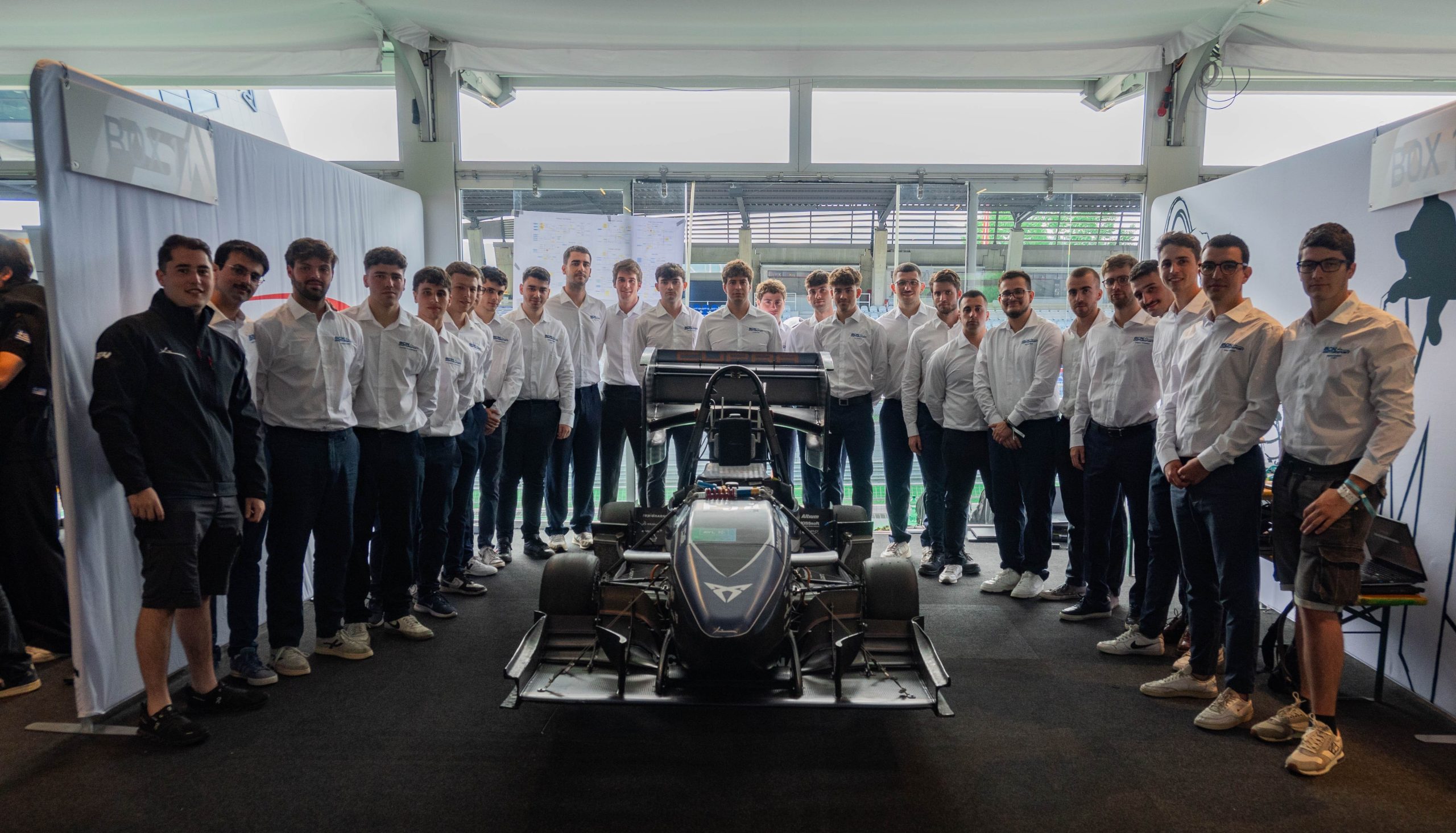
THE TEAM
Team Leaders
The Team Leaders are responsible for managing the organization and its projects. They work closely with the heads of each department to ensure that development projects are feasible and aligned with the organization’s goals. Their role includes monitoring progress to ensure that milestones are met and objectives are achieved. Additionally, the Team Leaders oversee budget management, ensuring that financial resources are allocated effectively and used wisely throughout each project. This collaborative effort helps create an environment where innovative ideas can flourish and projects can advance successfully.
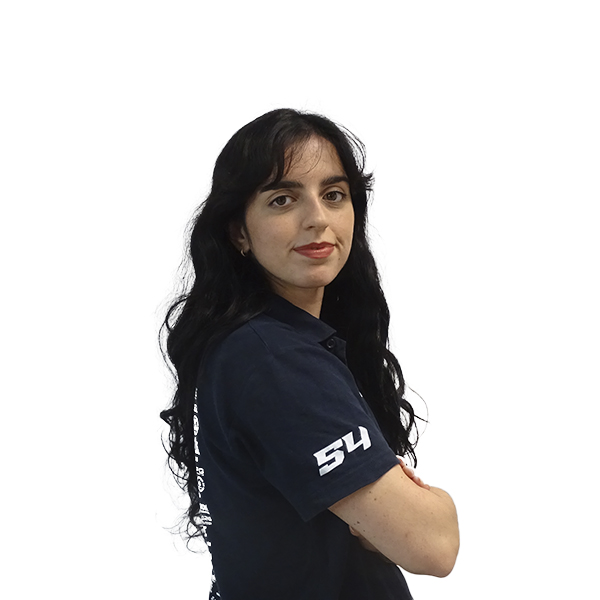
Sabrina Faieta
Team Leader
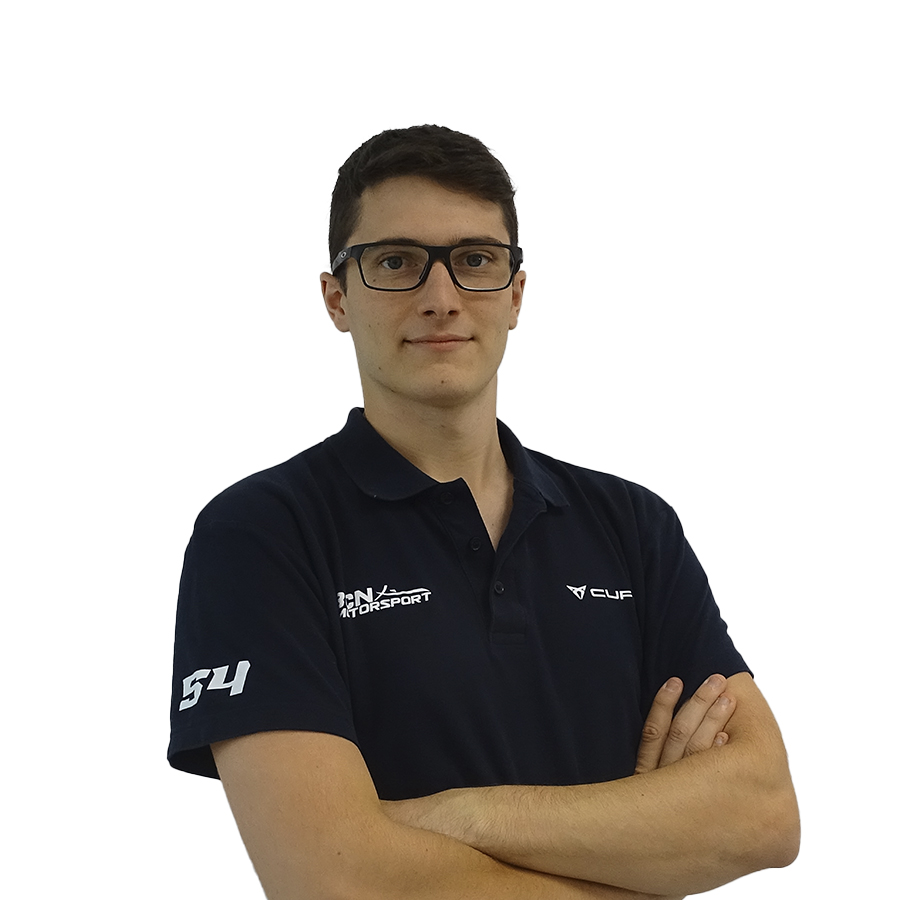
Izan Ballobar
CTO
Management
Management is a cross-sectional department that includes bureaucracy and marketing. First of all, the bureaucracy focuses on organizing the companies collaborating with the project, the relationship with the university and the team’s treasury.
Secondly, we bring social media and the team’s website to the forefront of getting to know us around the world and attracting new insights into our project. Therefore, it is essential in the audiovisual quality in which we work every day. We also organize events we attend, as well as create our own, such as car presentations.
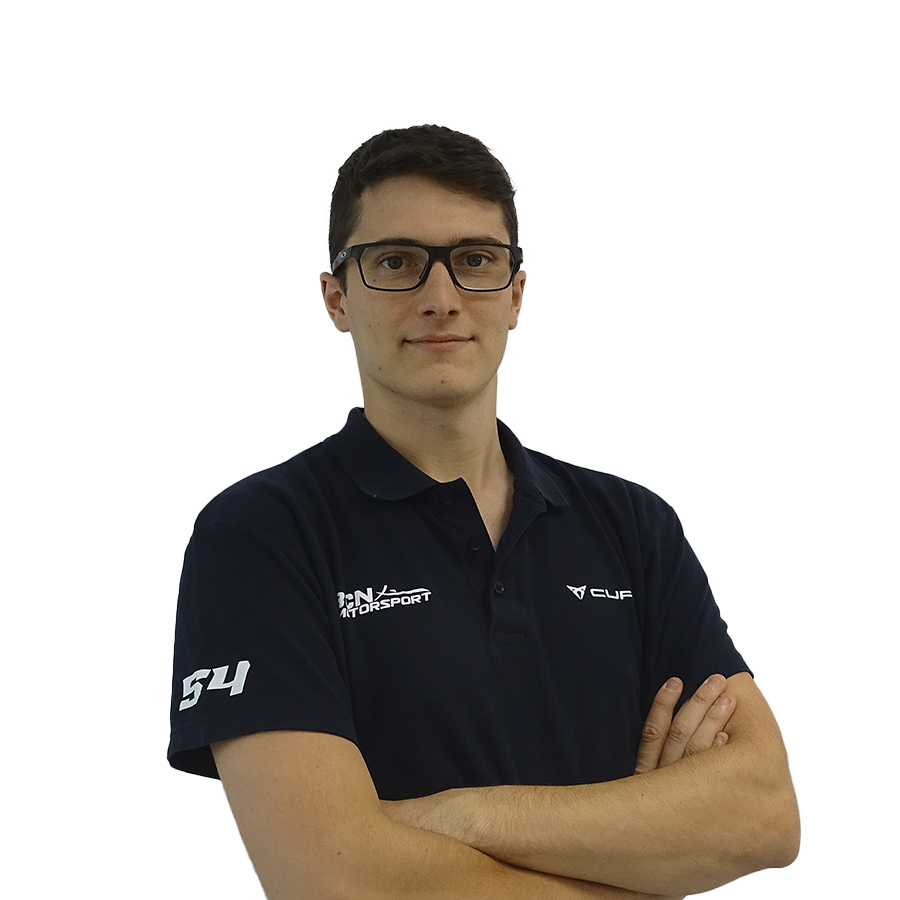
Izan Ballobar
Head of Department
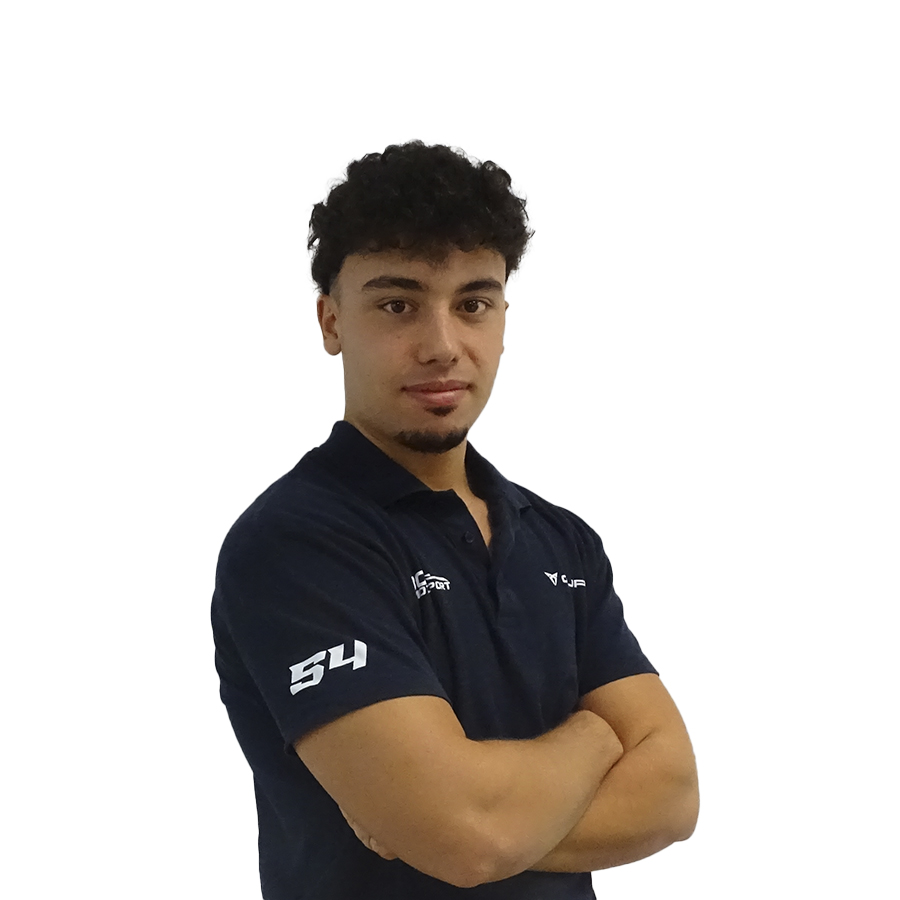
Pau Figueras
Web & Administration
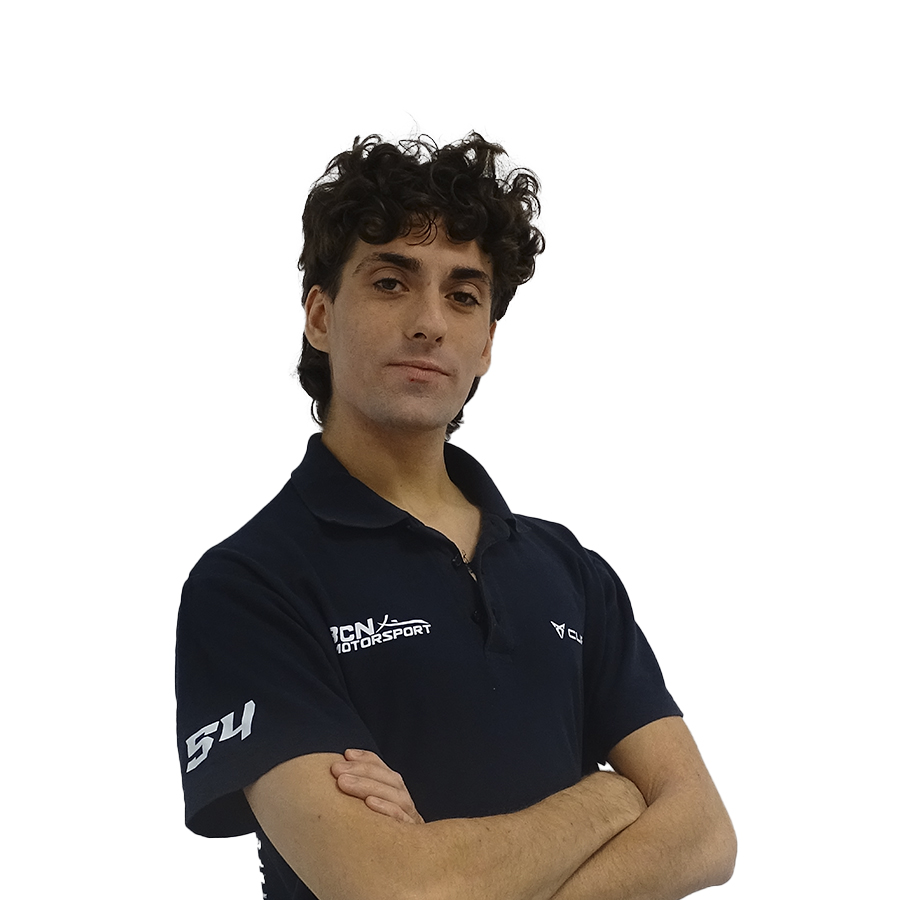
Josep Donoso
Media and Vehicle Simulator
Aerodynamics & Cooling
Our main function is the design and manufacture of the aerodynamic package of the car. We use programs such as SolidWorks to create components such as Front Wing, Rear Wing, Underbody… We perform CFD (Computational Fluid Dynamics) simulations with Star-CCM + or OpenFoam, to study the design that will be incorporated into the car. Once the aerodynamic appendices have been defined, we move on to the manufacturing stage where we use composite materials such as carbon fiber to obtain rigid and lightweight parts. Throughout this cycle we seek to increase the downforce for a faster cornering step and reduce the resistance to advance.
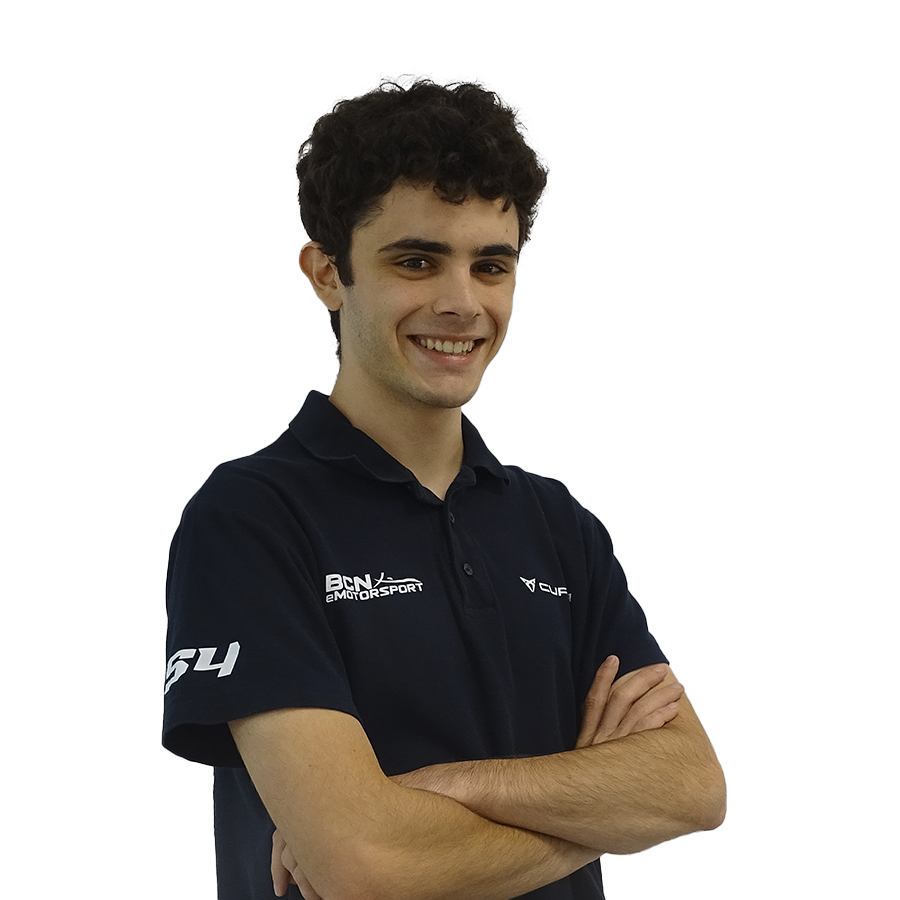
Nacho Vallés
Head of Department
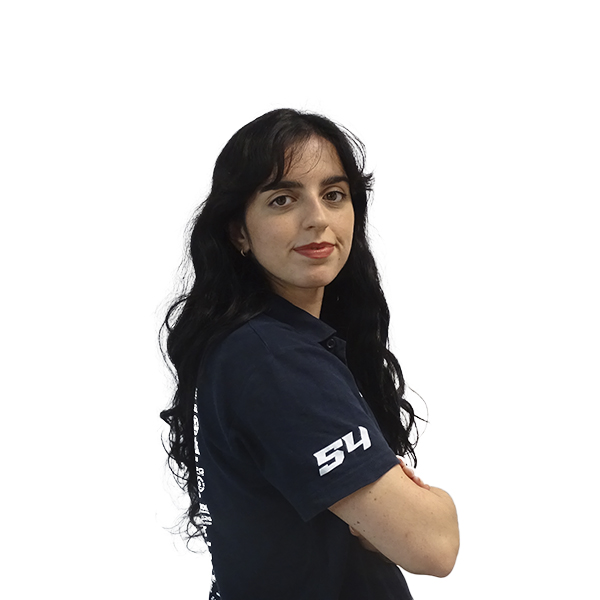
Sabrina Faieta
Design & CFD
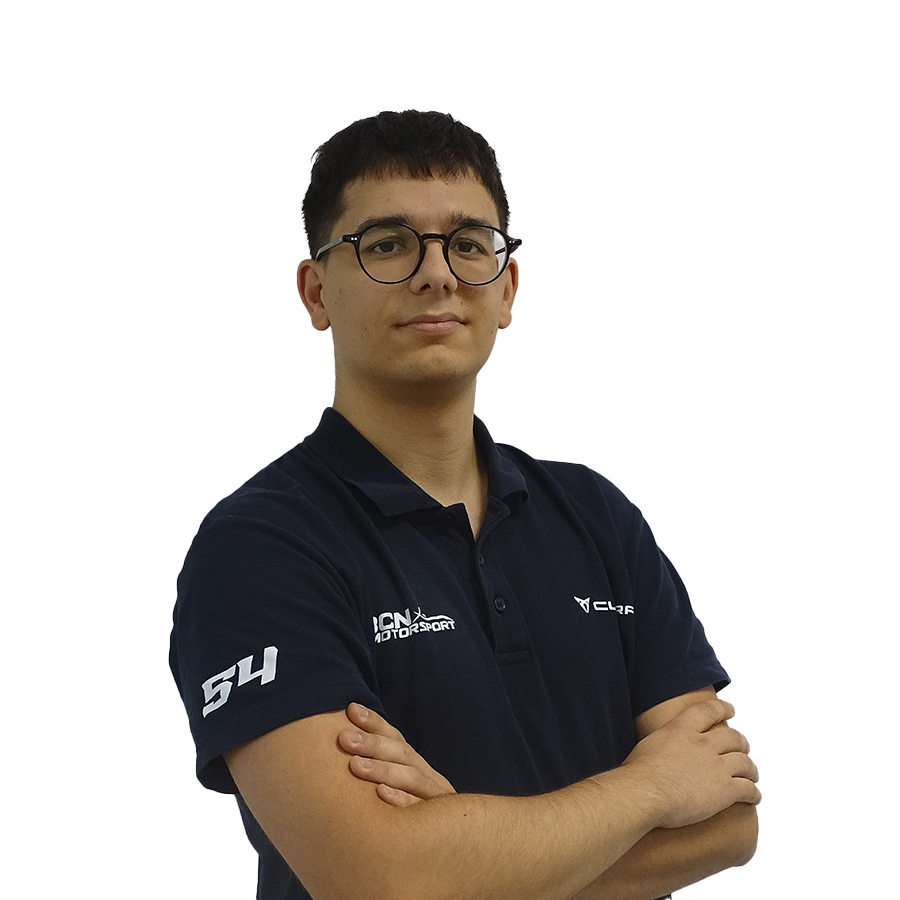
Pau Pueyo
Cooling Responsible
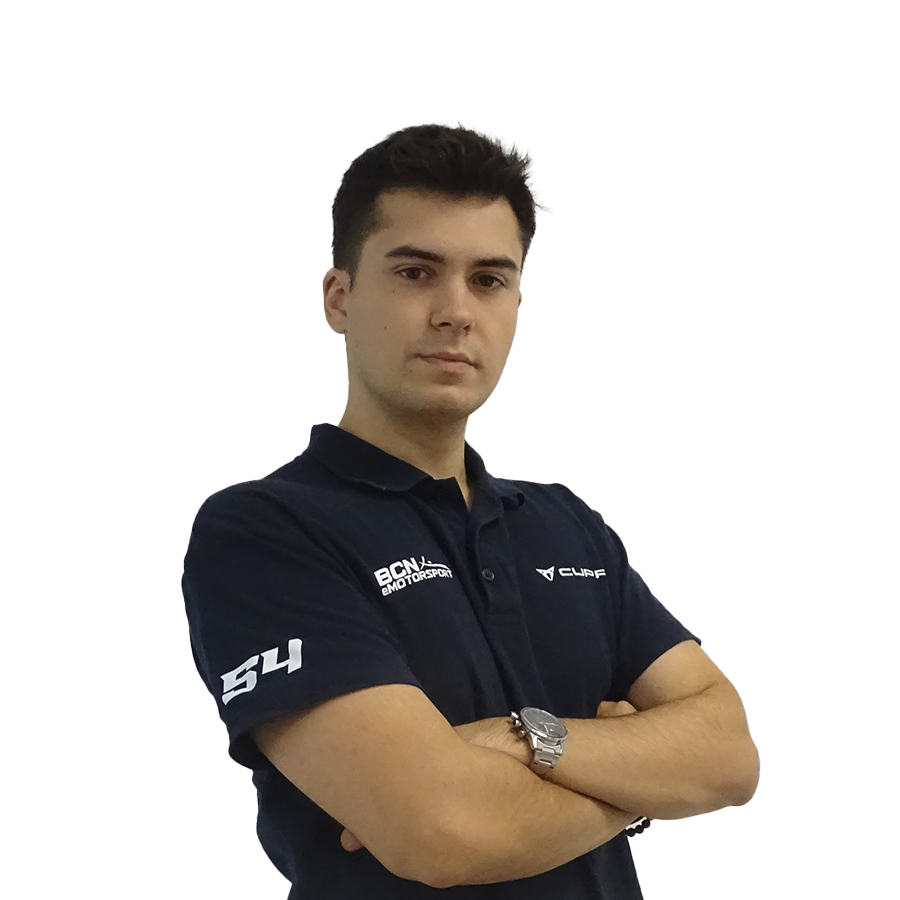
Martí Sans
Design
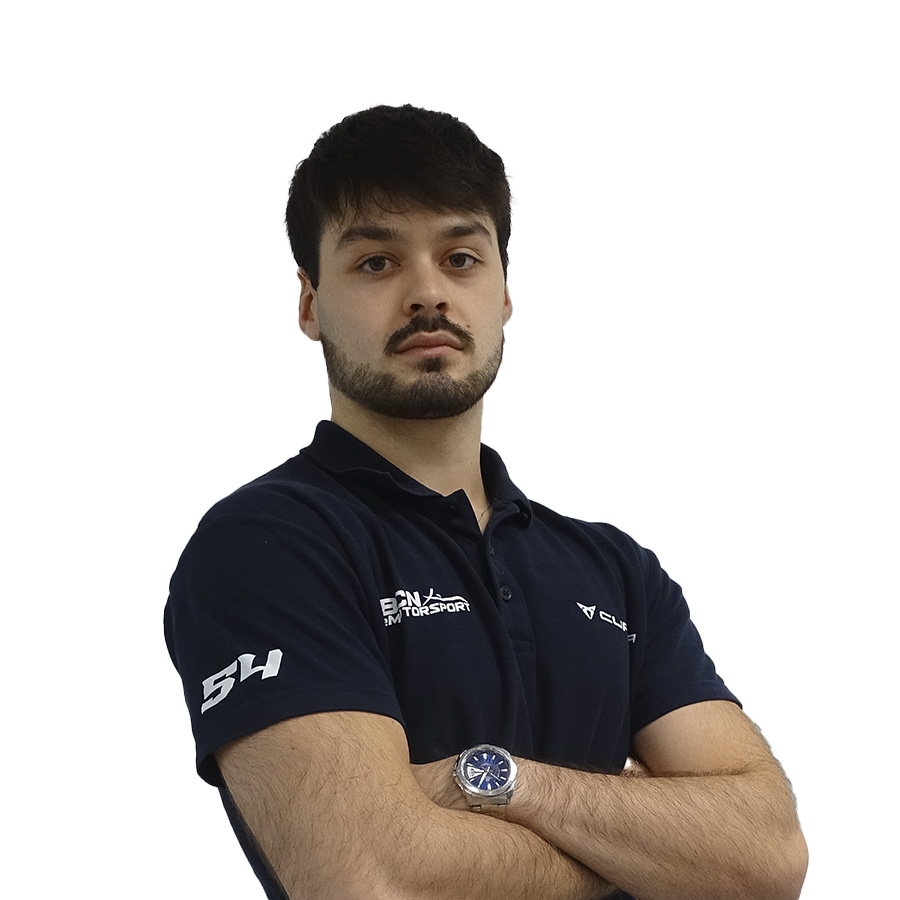
Eduard Català
Design & DRS
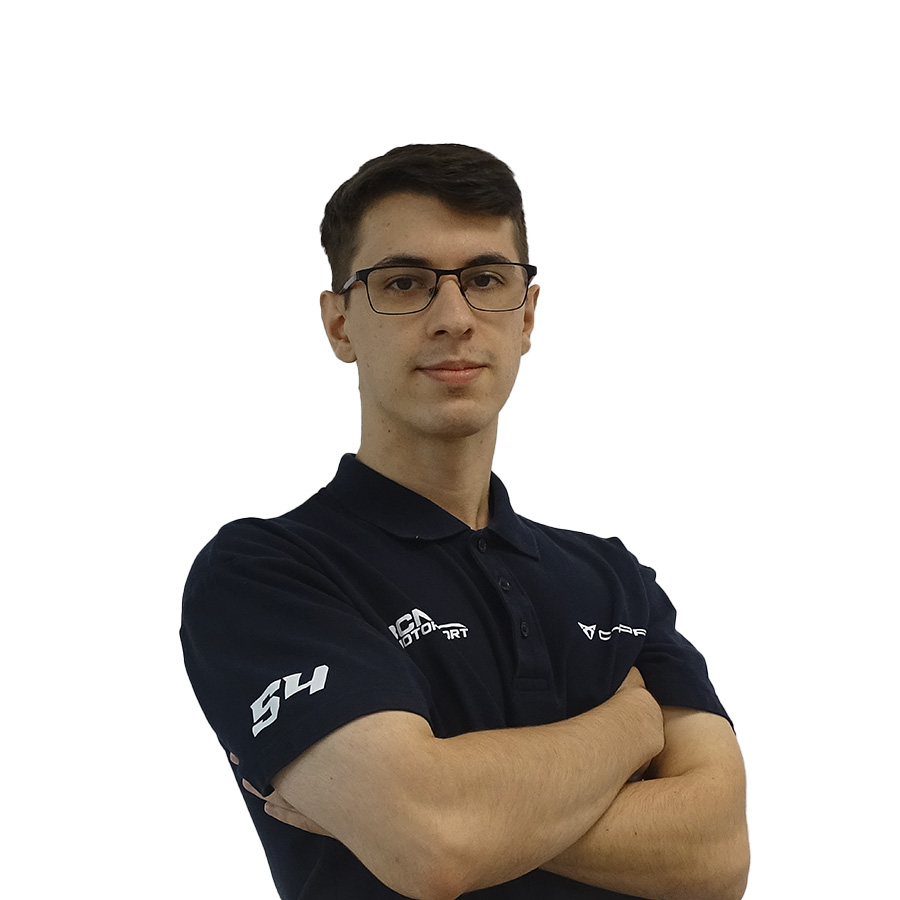
Alejandro Camacho
CFD
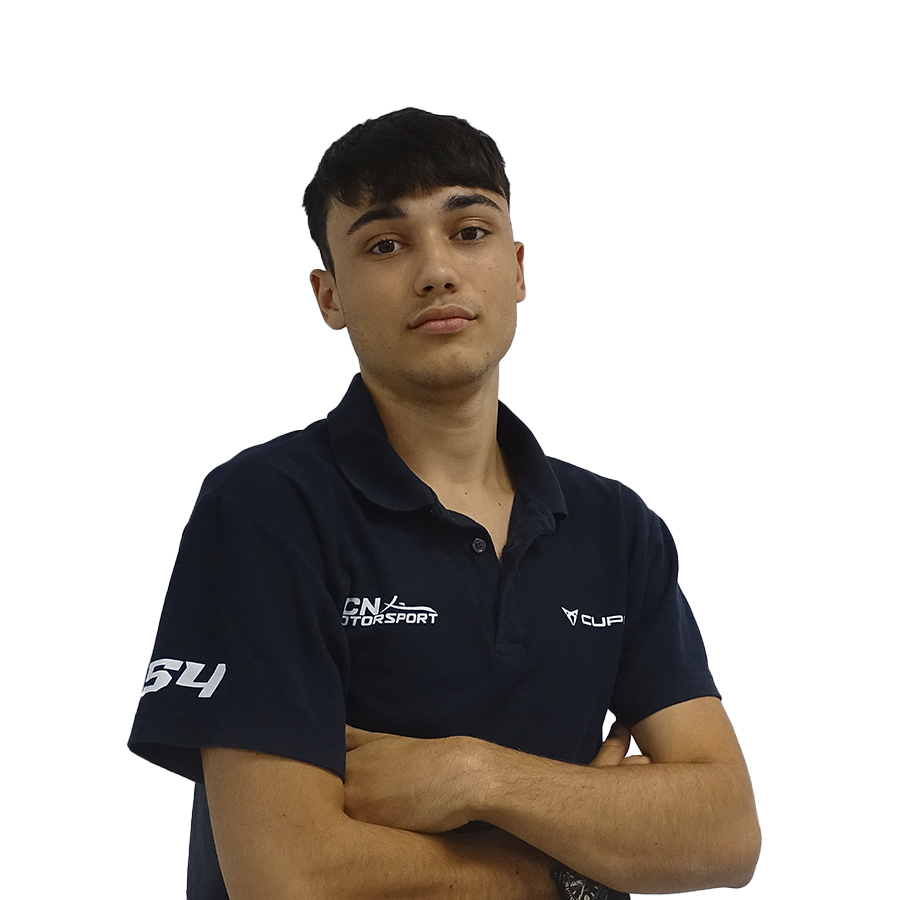
Max Álvarez
Design
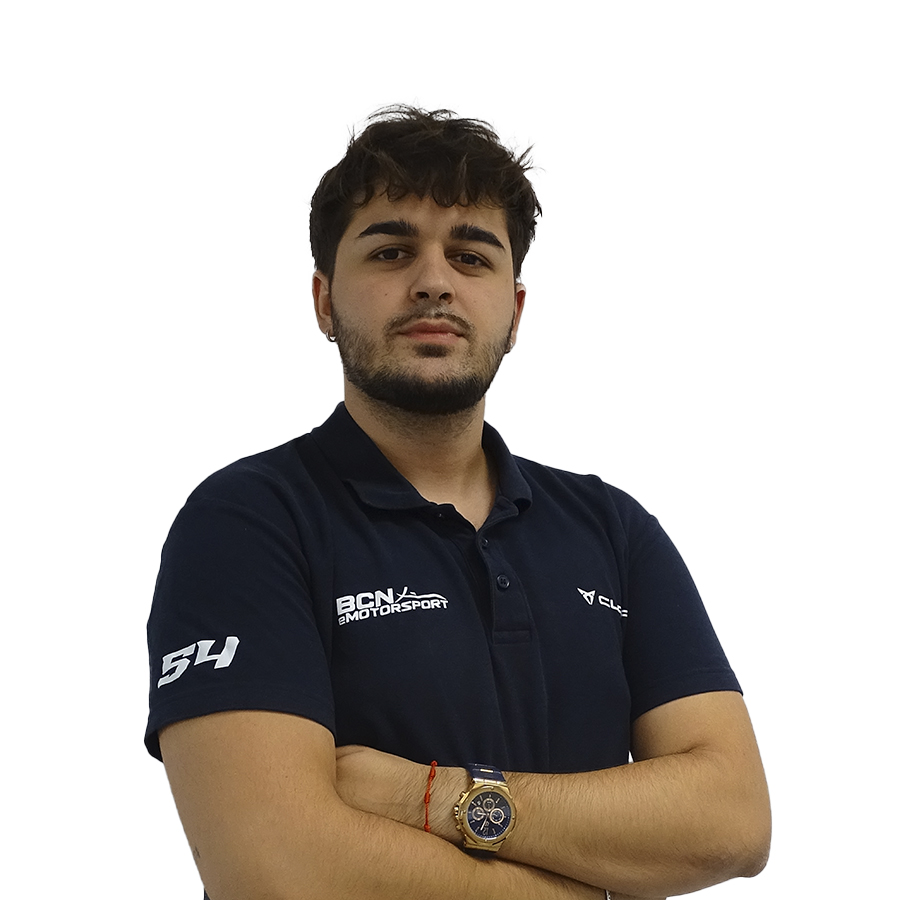
Joan Gigante
Design & Structural
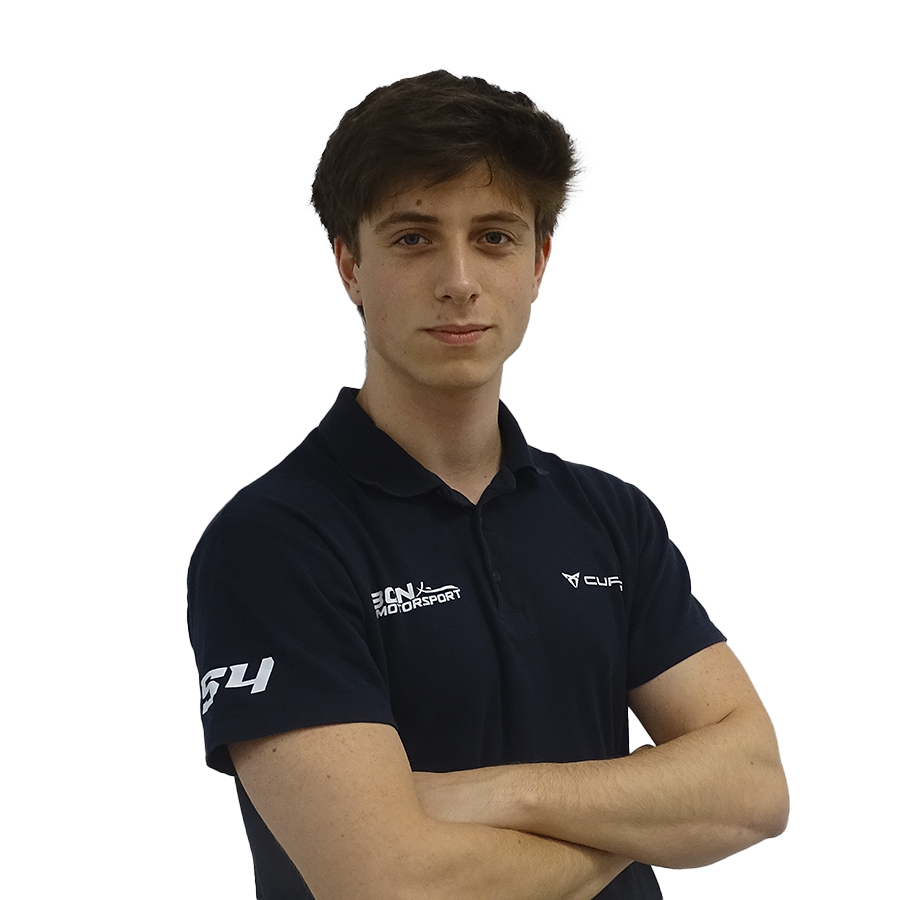
Oriol Calpe
CFD
Chassis & Composites
The main function is the design and manufacture of the structural part of the car. They are also responsible for the ergonomics of the vehicle (steering wheel, driving position, seat), the car’s tires and all the safety components that protect the driver, such as the Impact Attenuator and the Firewall. We work with composite materials such as carbon fiber, a very popular material in the motor world due to its good properties such as high tensile strength and high rigidity, and due to the low weight parts that can be obtained. Each component is also designed and analyzed using Solidworks, Hypermesh and testing.
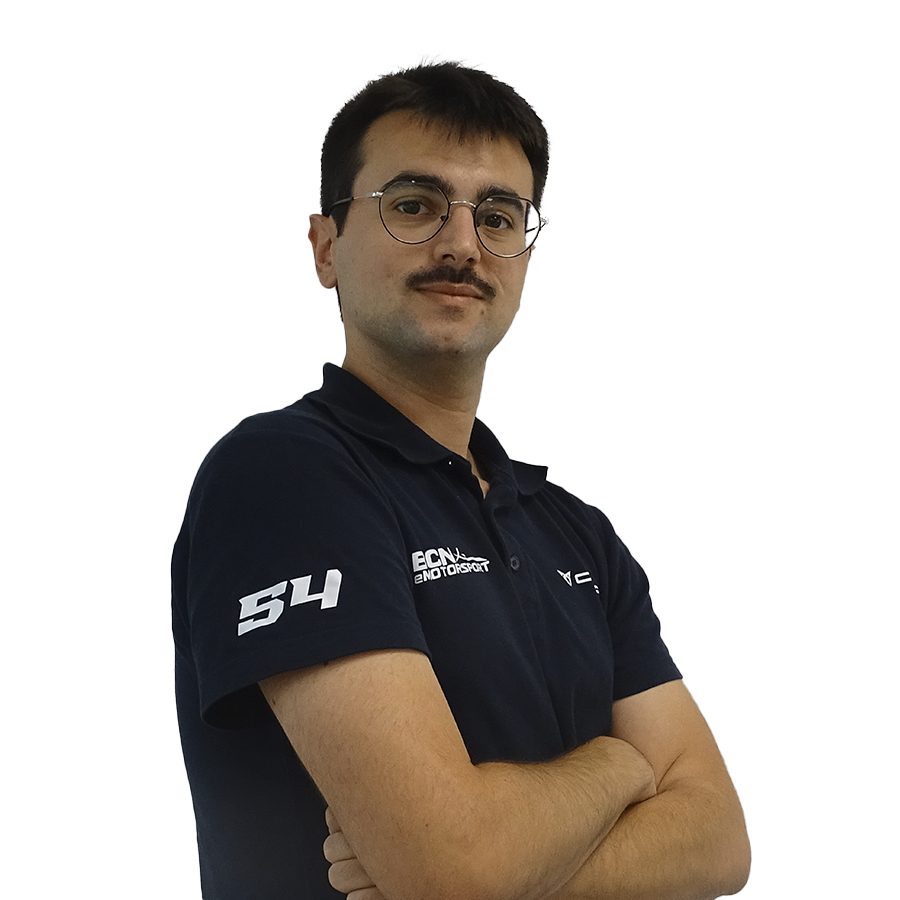
Abel Alba
Head of Department
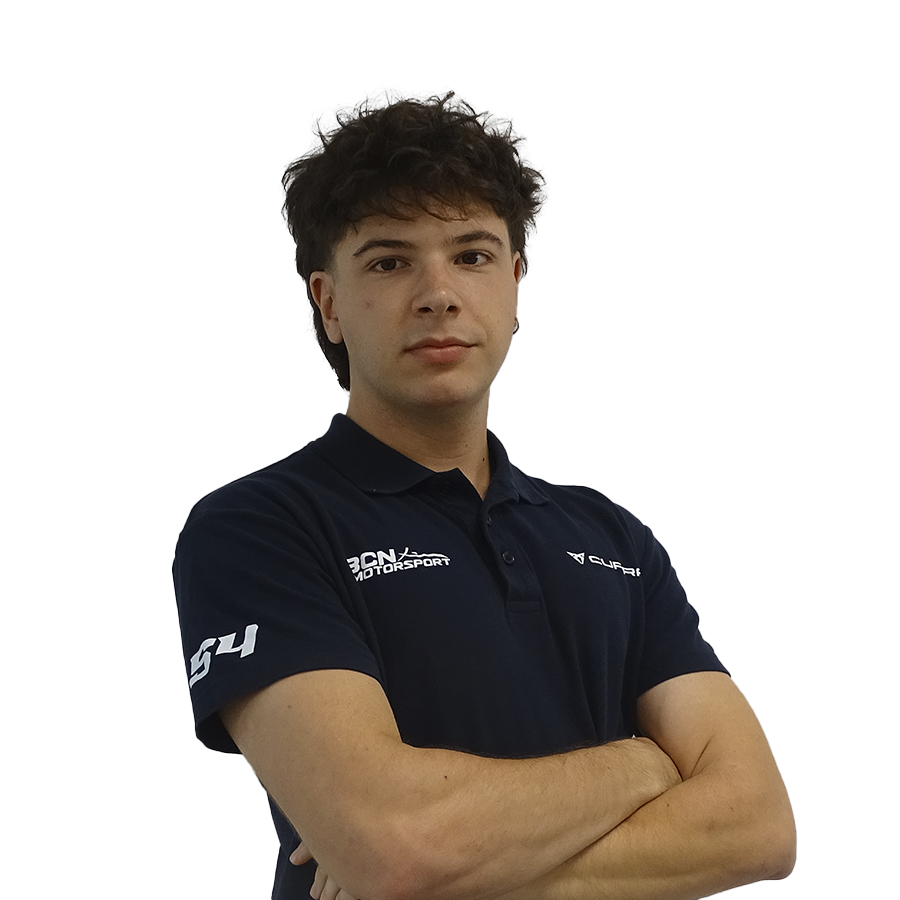
Alejandro Cano
Ergonomics & IA
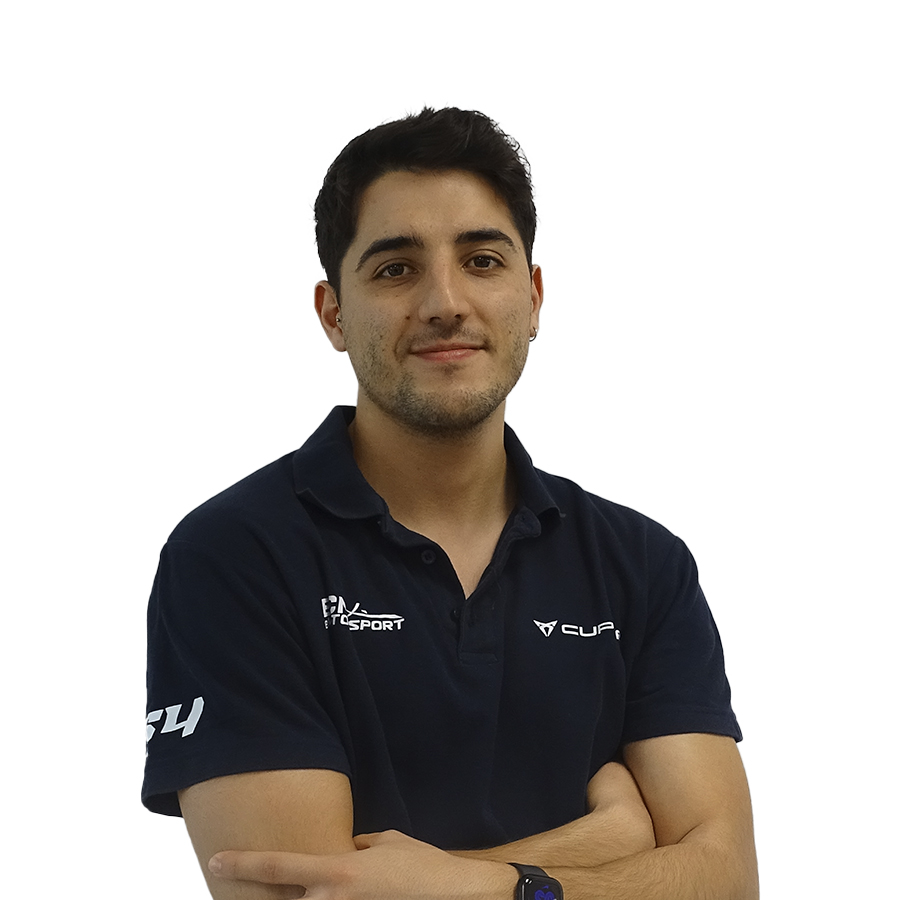
Dídac Poveda
Monocoque & SES
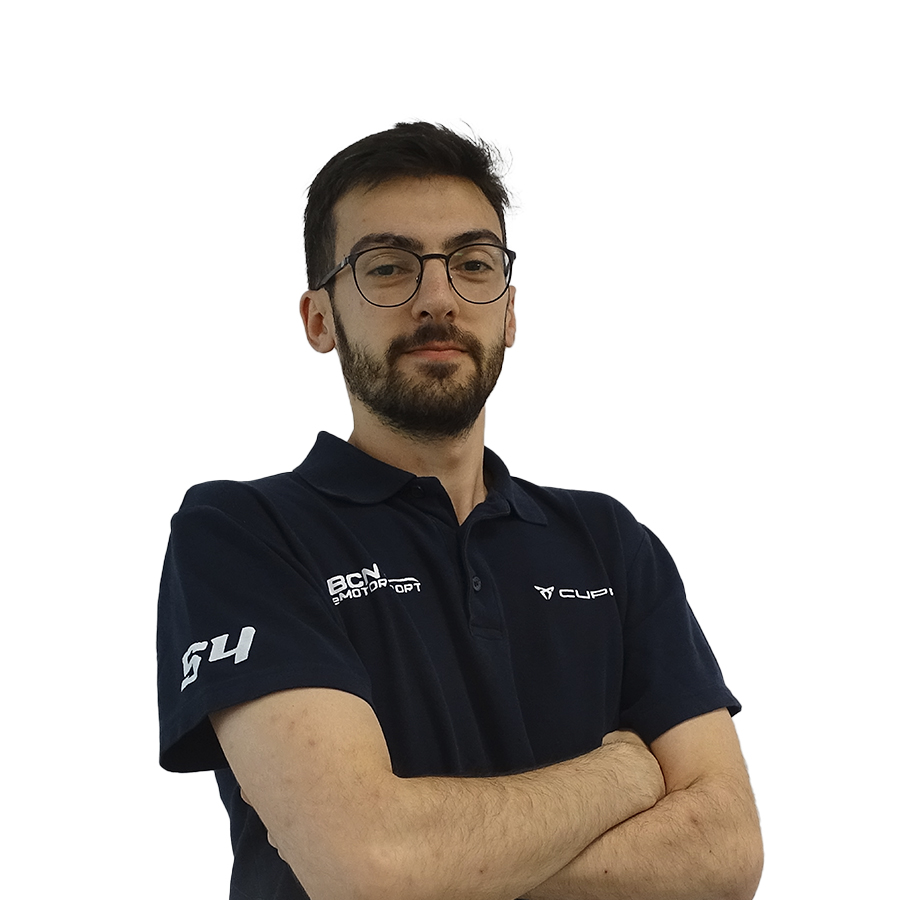
Arturo Sánchez
CAE Engineer
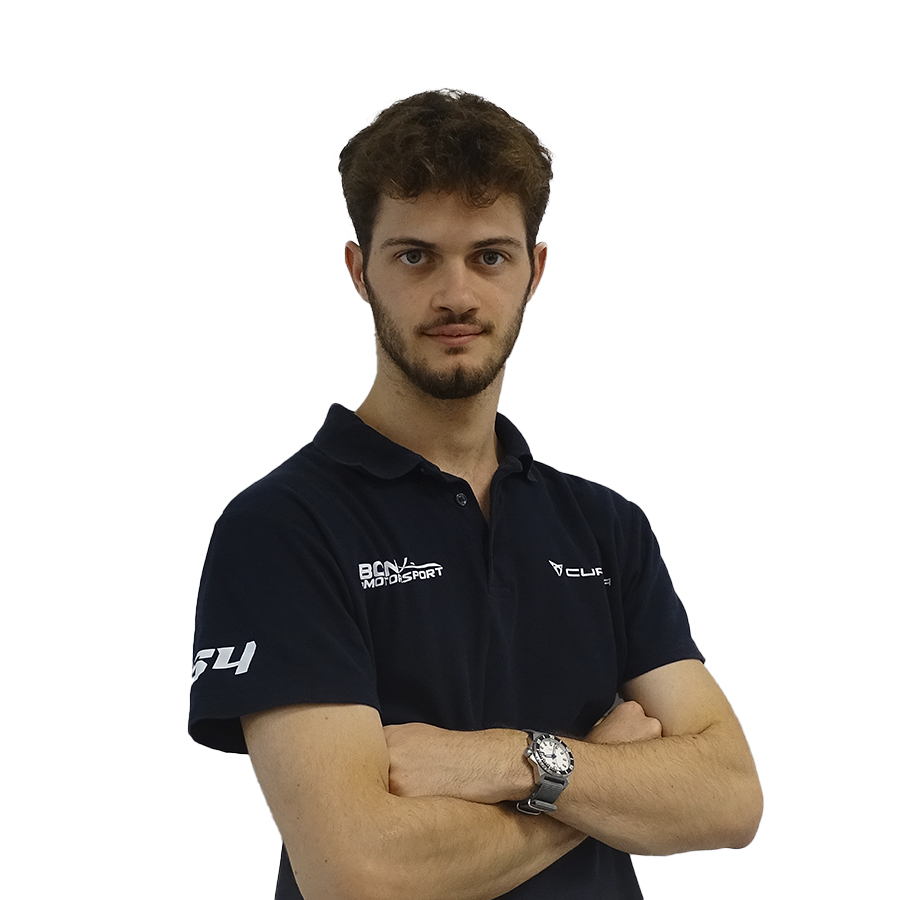
Joan Altur
Design & Manufacturing
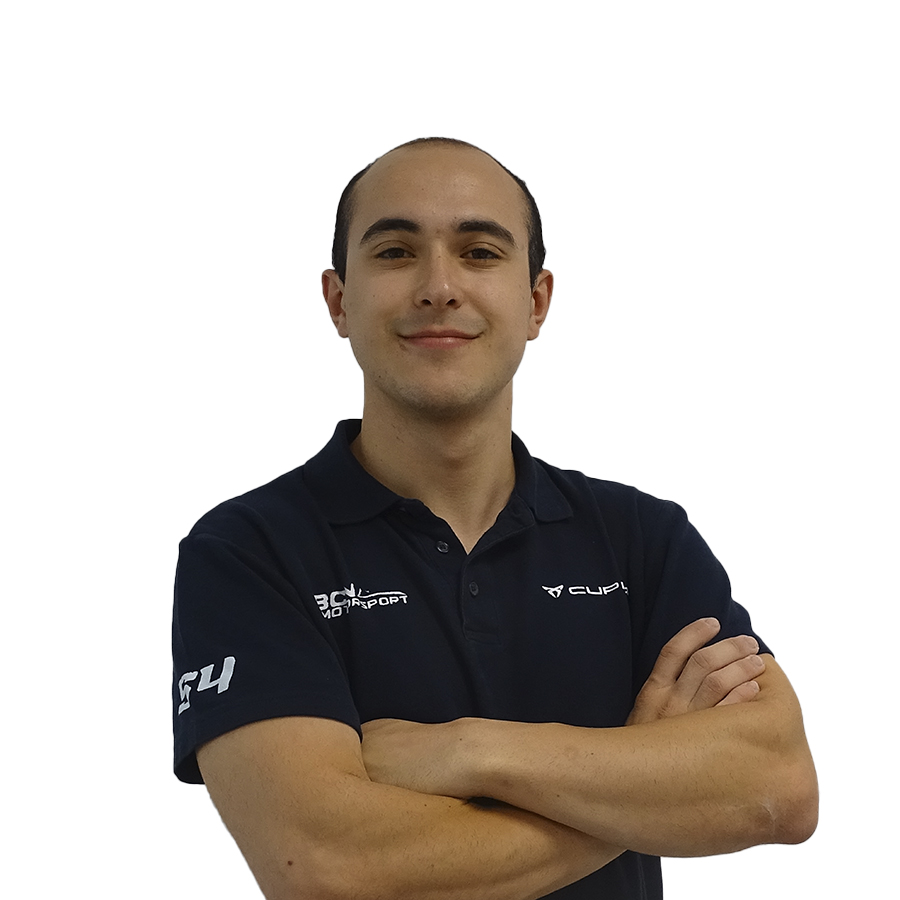
Enrique Esteban
Design & Manufacturing
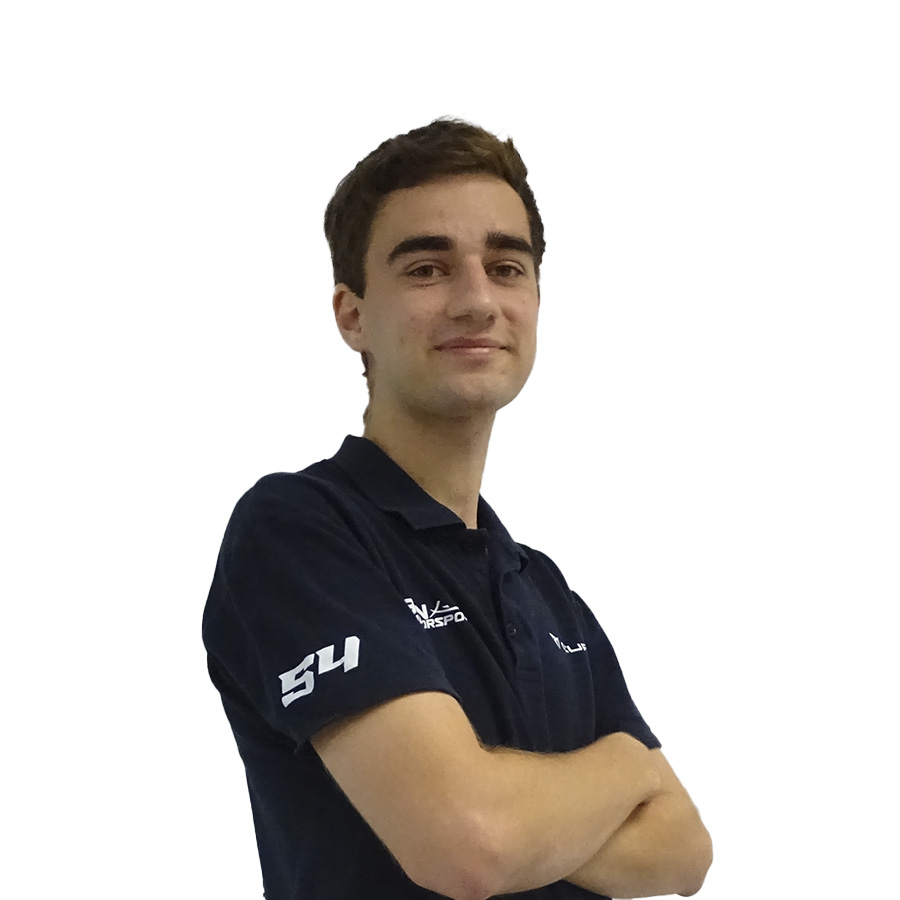
Guillem Vila
Design & Manufacturing
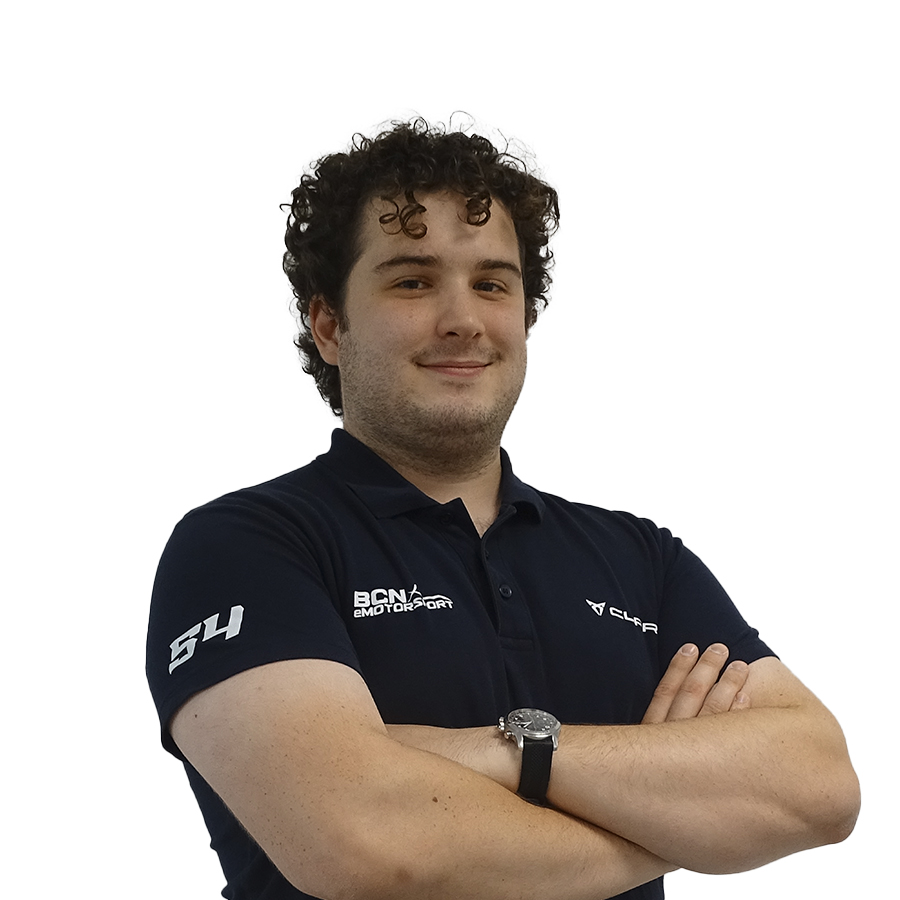
Oriol González
Design & Manufacturing
Vehicle Dynamics
The study of tire, steering and suspension behavior is key to better vehicle performance. Another important function is the design of the planetary transmission that fits into the wheel assembly. They are also responsible for the design and improvement of the pedal board and the braking system, very important elements to achieve a better response of the car and, consequently, to improve safety. They are also in charge of the mechanical braking and autonomous steering system and its actuators.
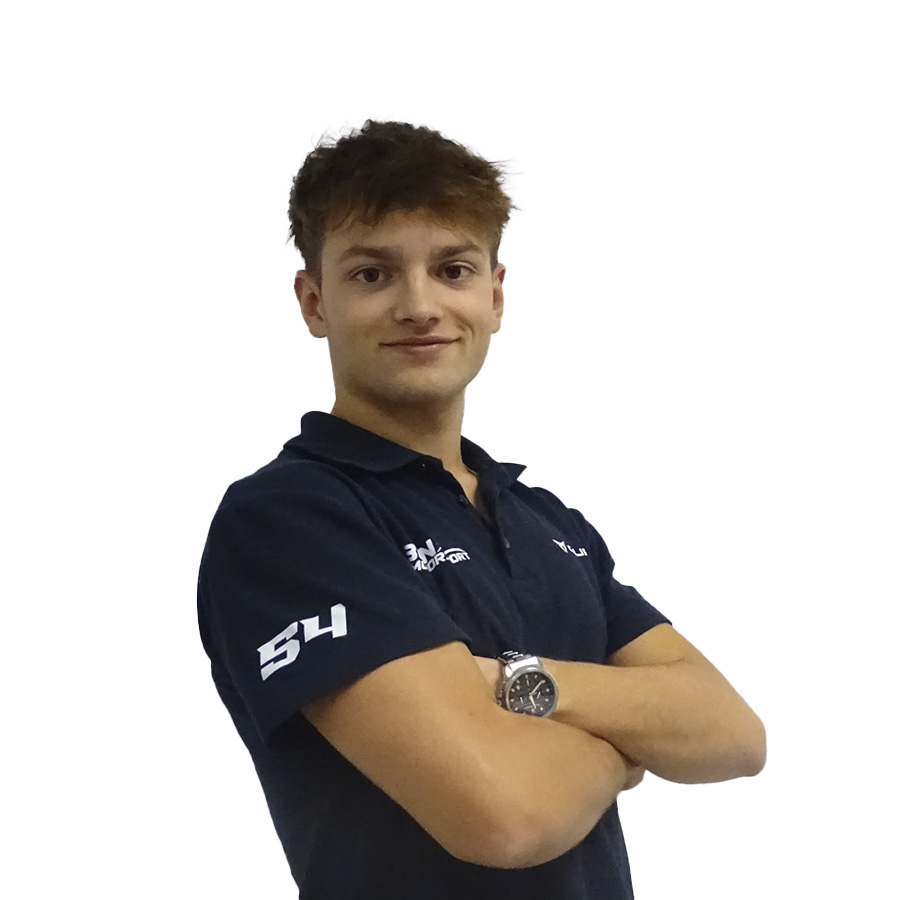
Alfredo Escobar
Head of Department
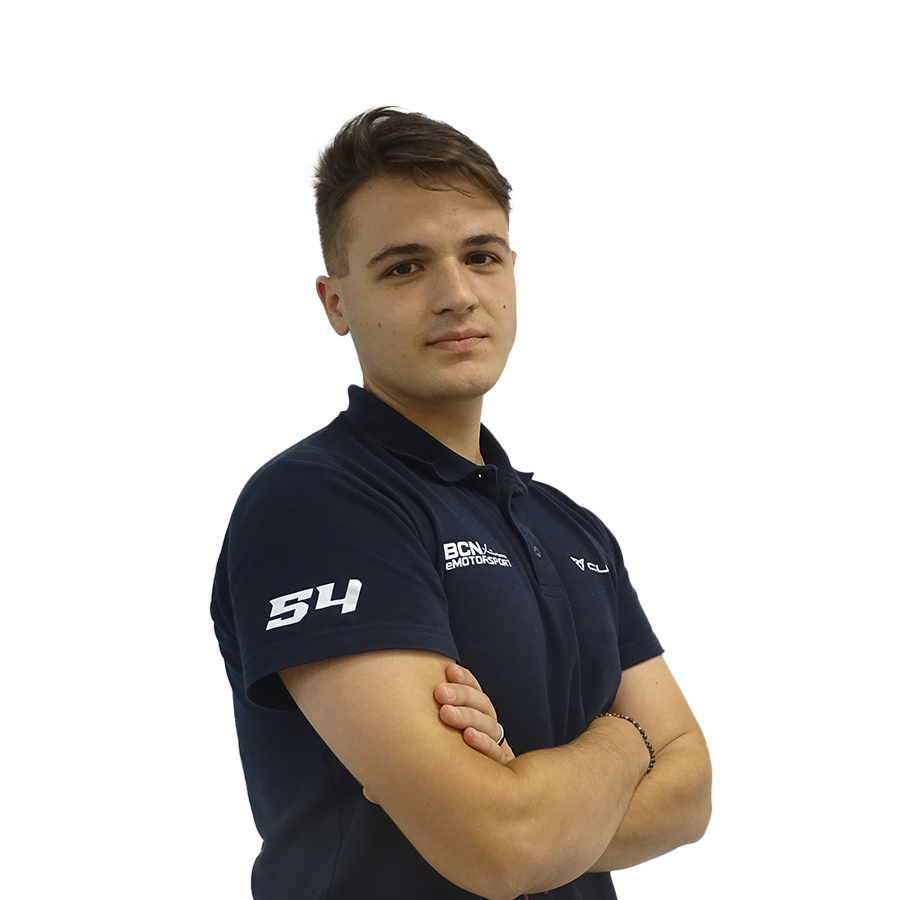
Enric Fauste
Brakes & Steering
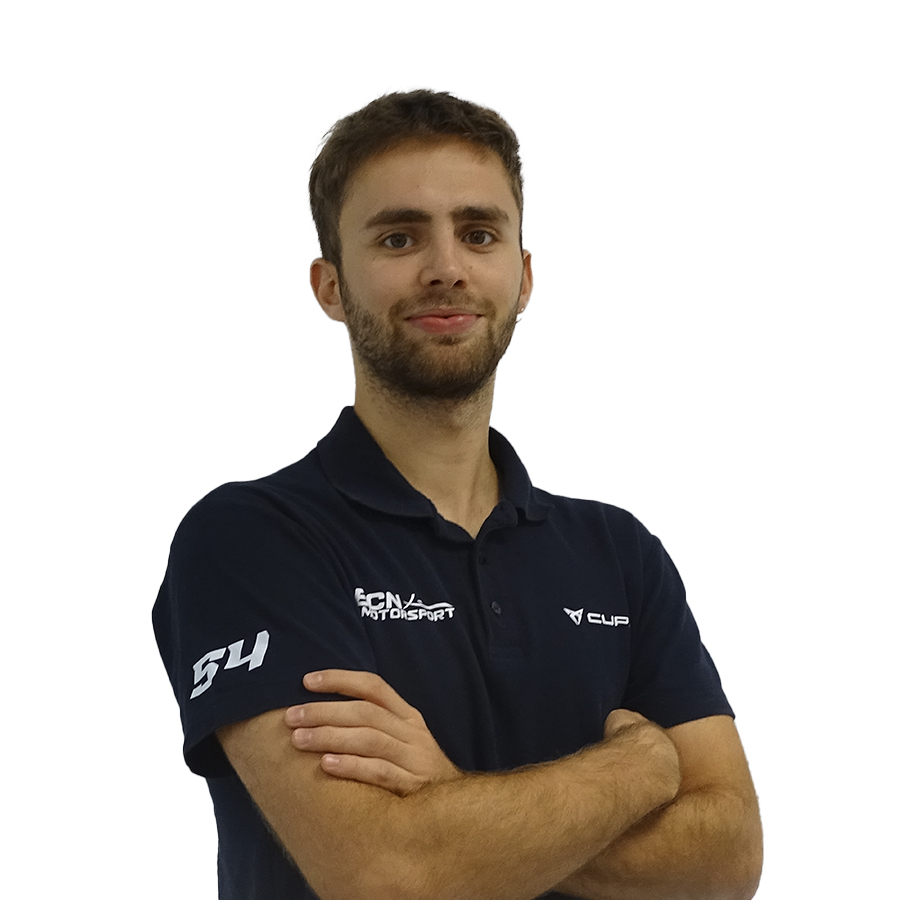
Guillem Tàpia
Suspension
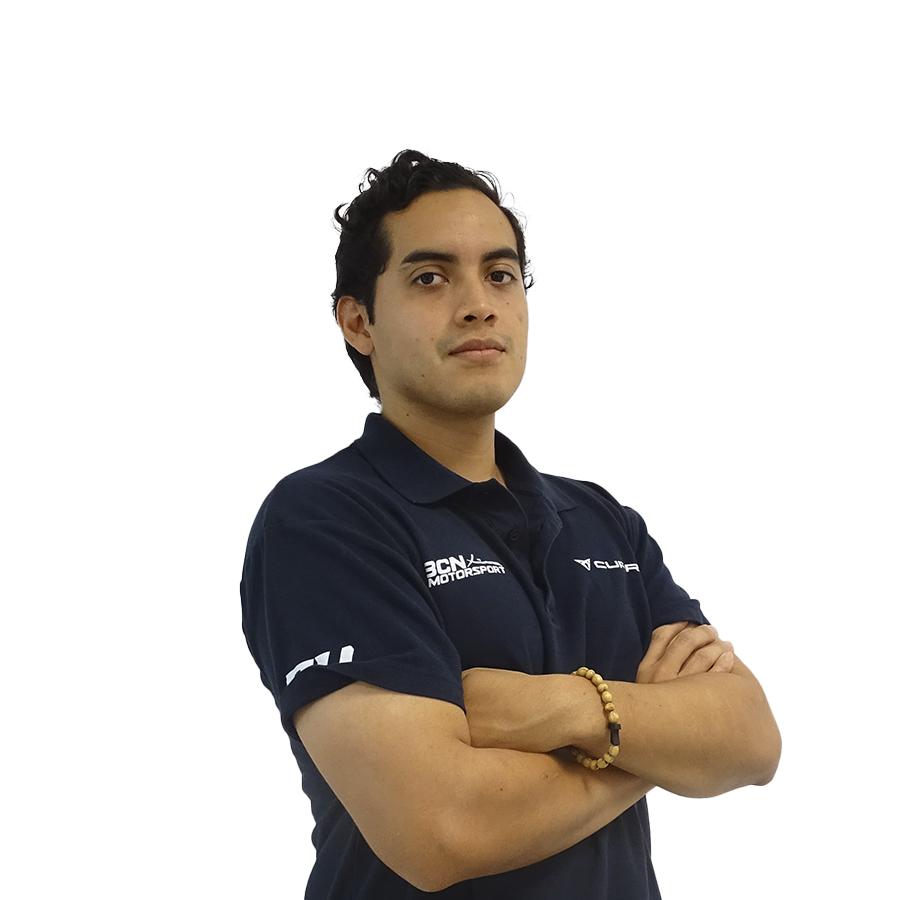
Gabriel Marmolejo
Transmission
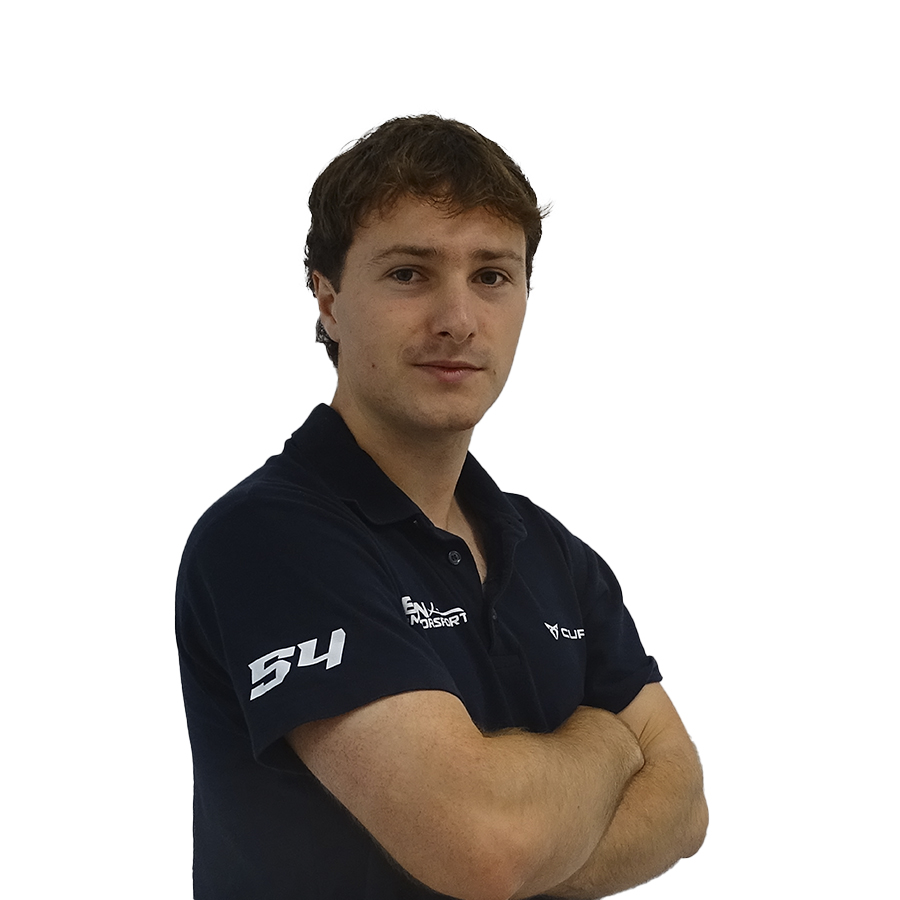
Martín Muruzábal
Suspension
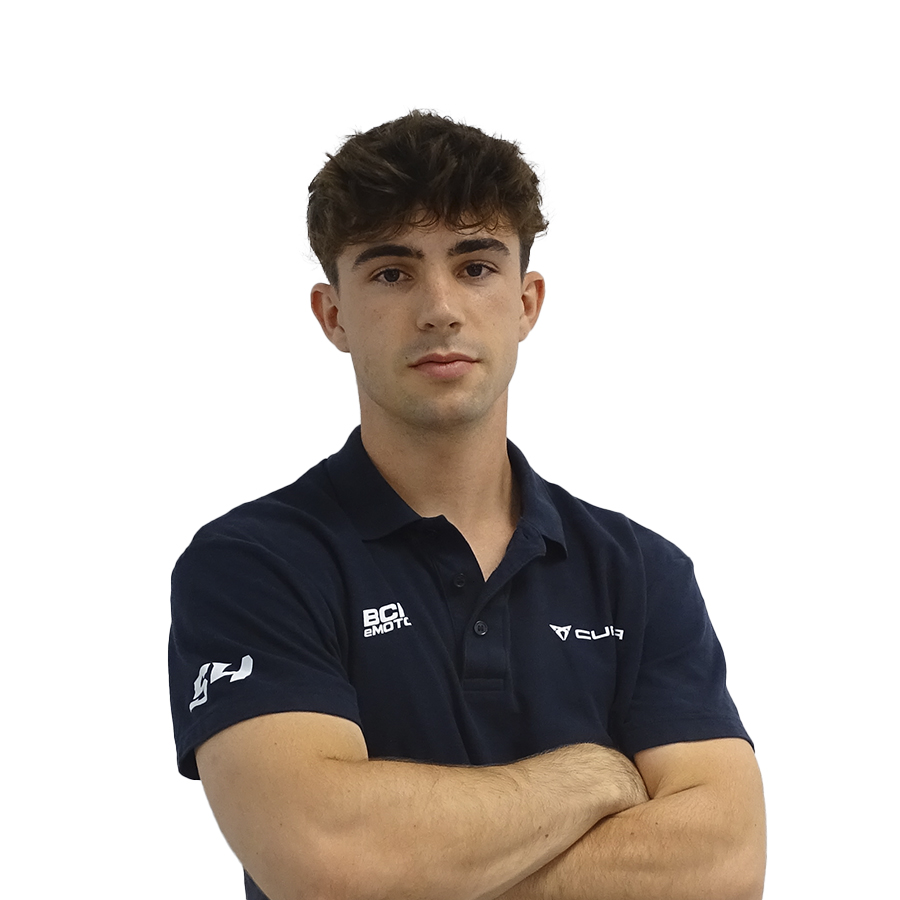
Lluc Escribano
Steering
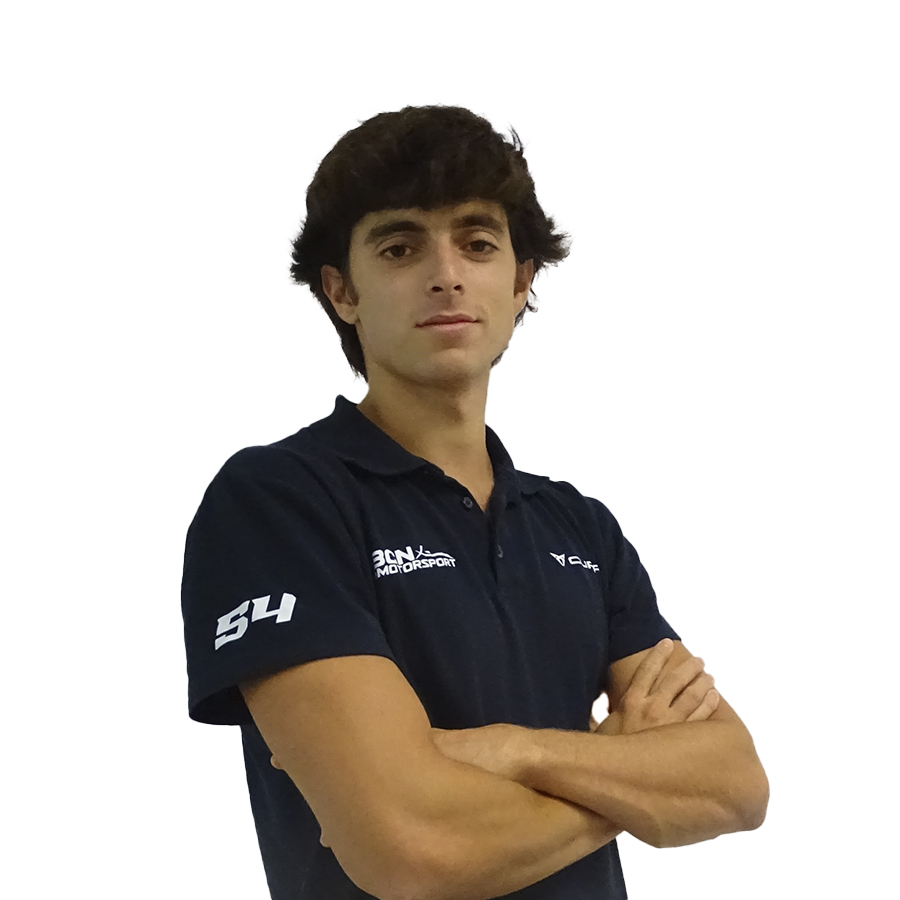
Álvaro de Merlo
Transmission
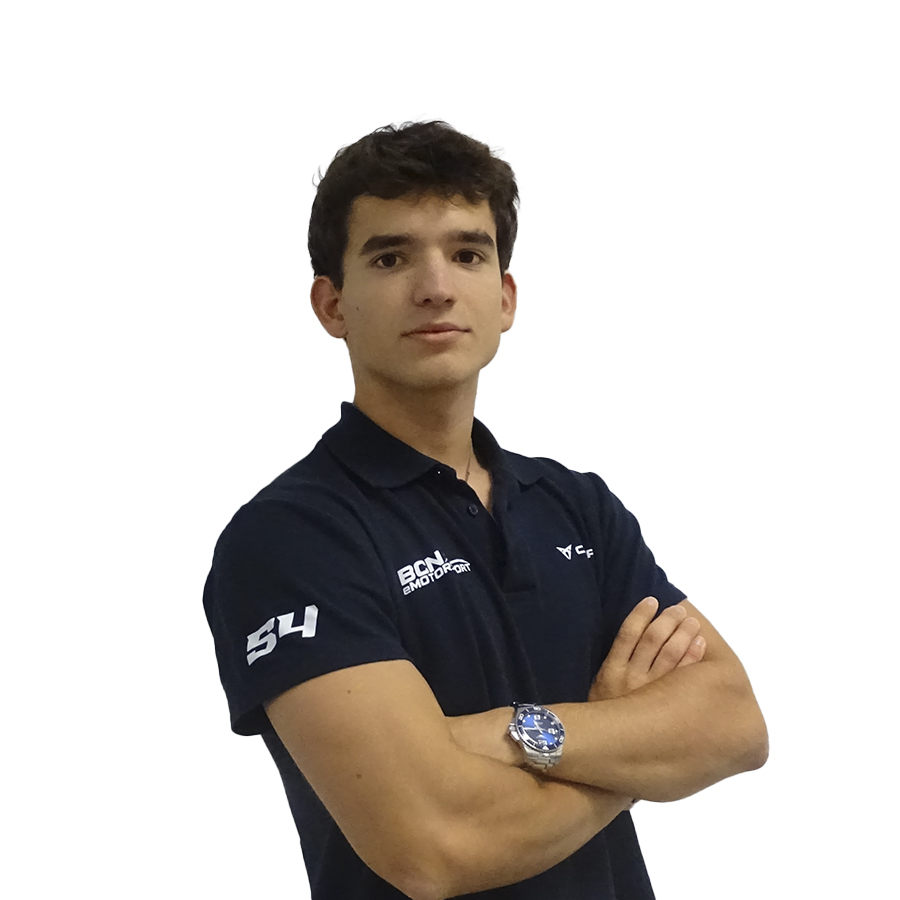
Pablo Molina
Brakes
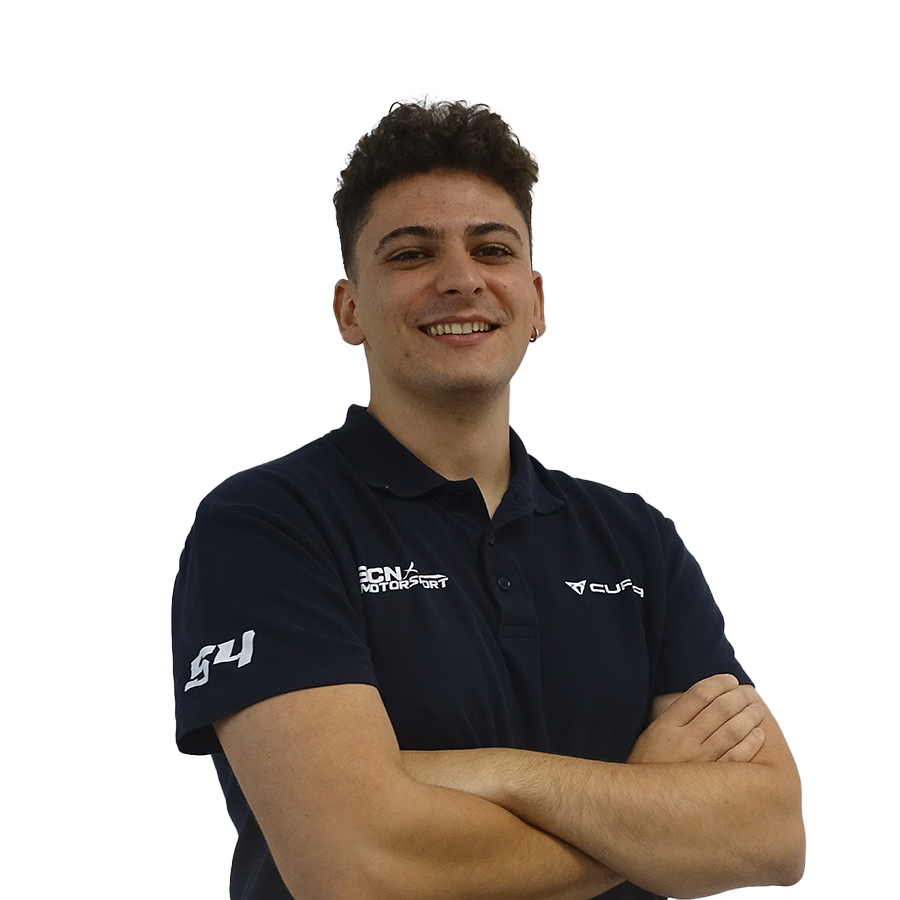
Arturo Millán
Suspension
Electronics
The electronics department is responsible for the design, programming and implementation of the various ECUs (electronic control units), which receive information about the car’s status and its environment, and act accordingly. It is also responsible for the design of its own low-voltage wiring, telemetry implementation, driver control interface, and other tasks.
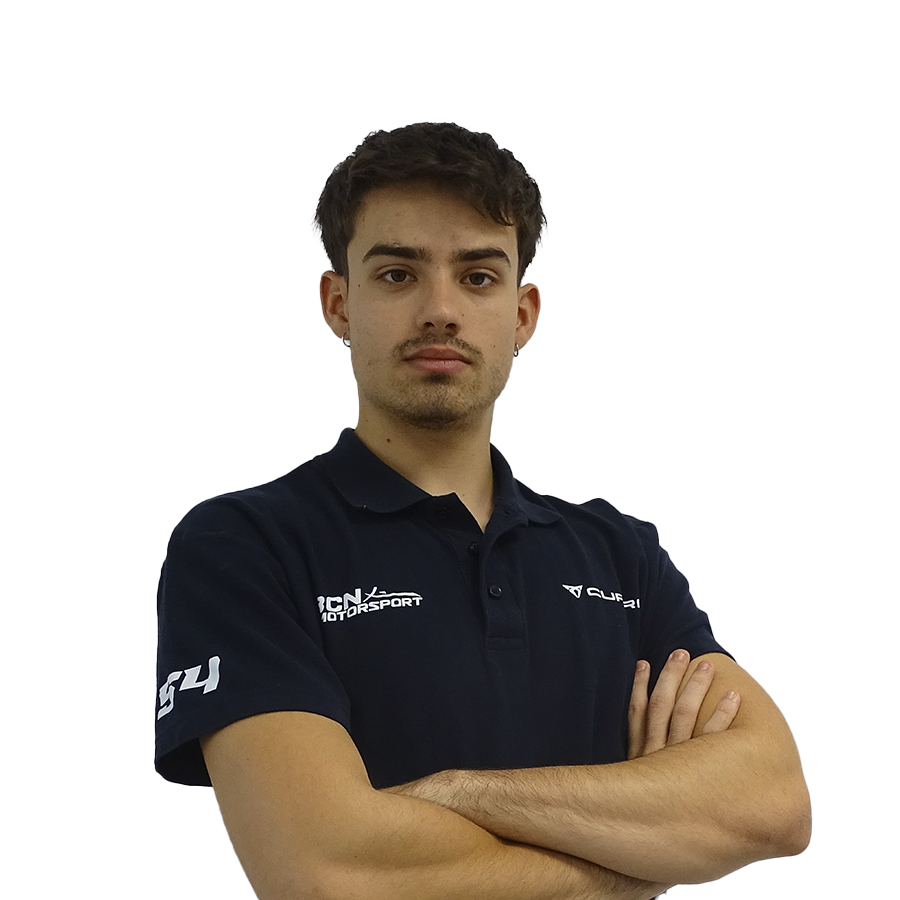
Gerard Rius
Head of Department
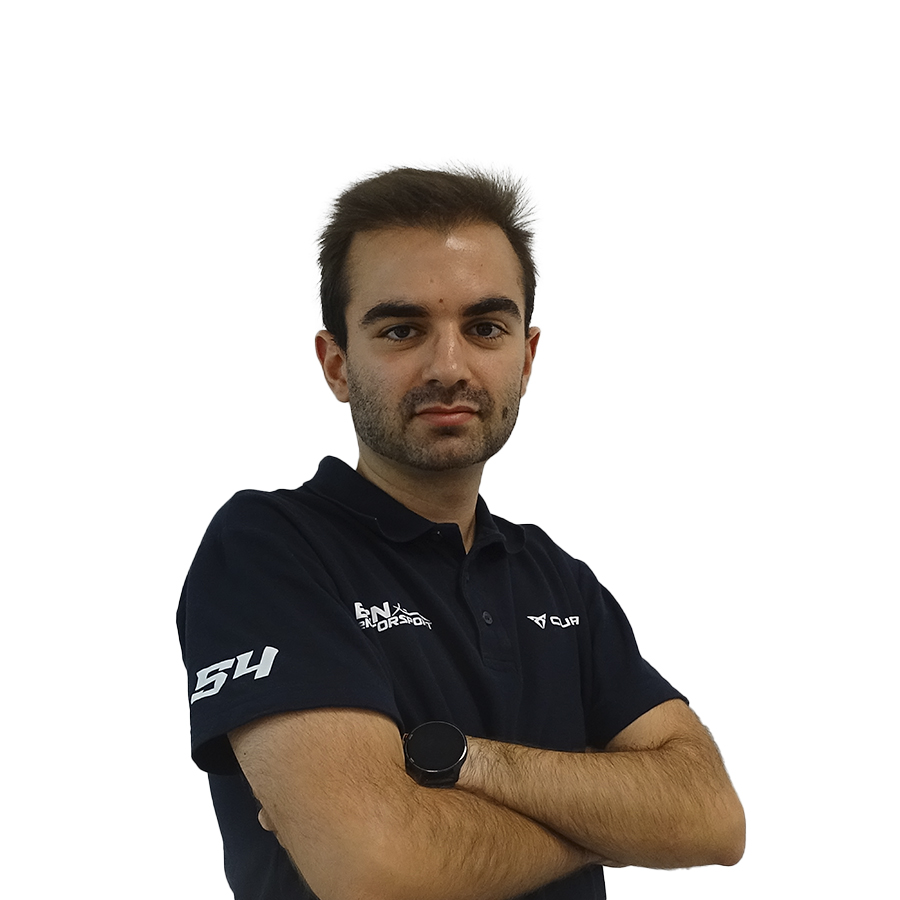
Rubén González
HV Electronics
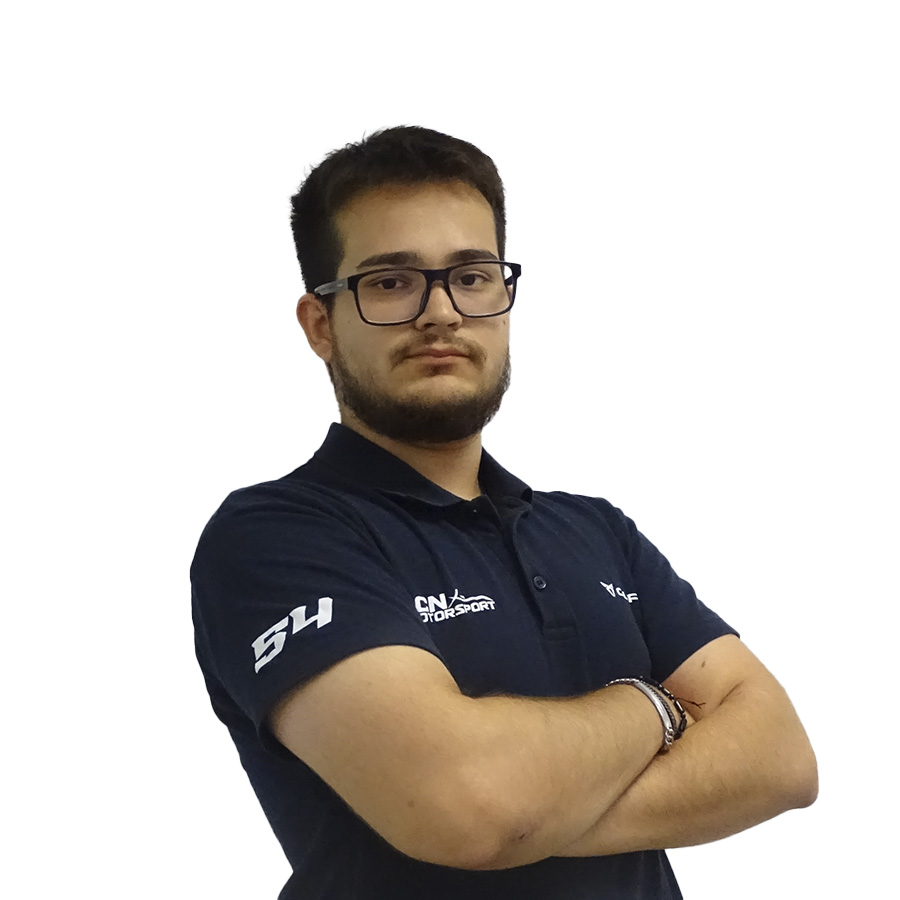
Luis David
Data Acquisition
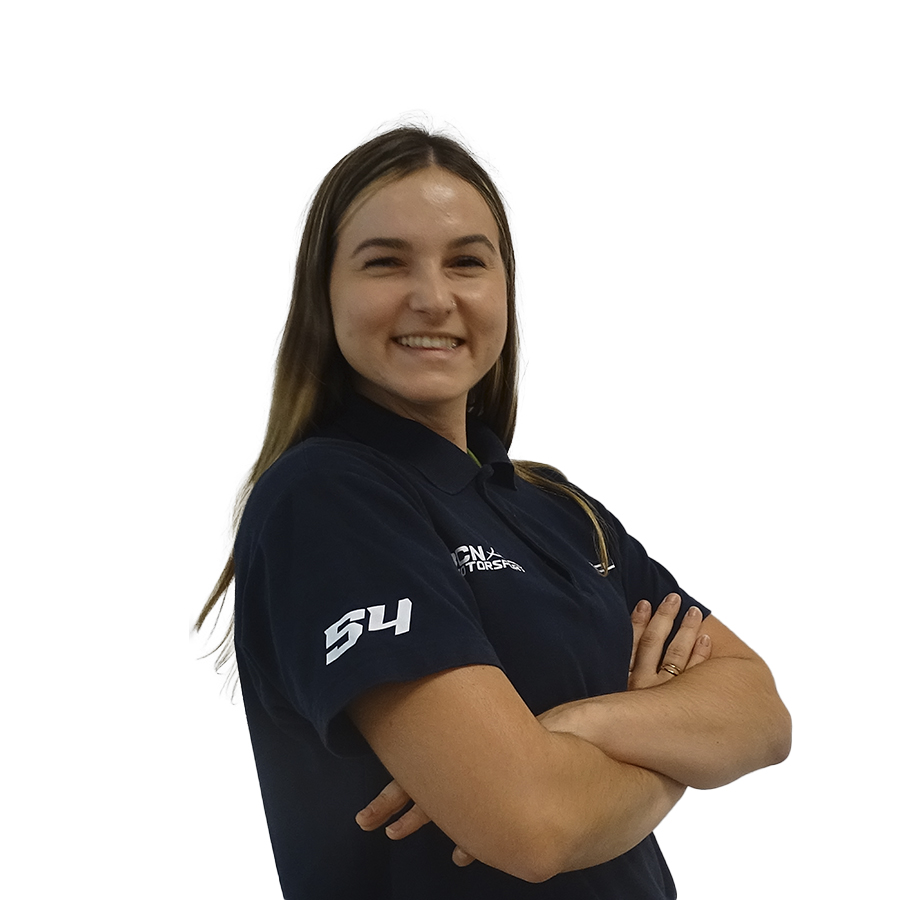
Ámbar Lopez
Dashboard
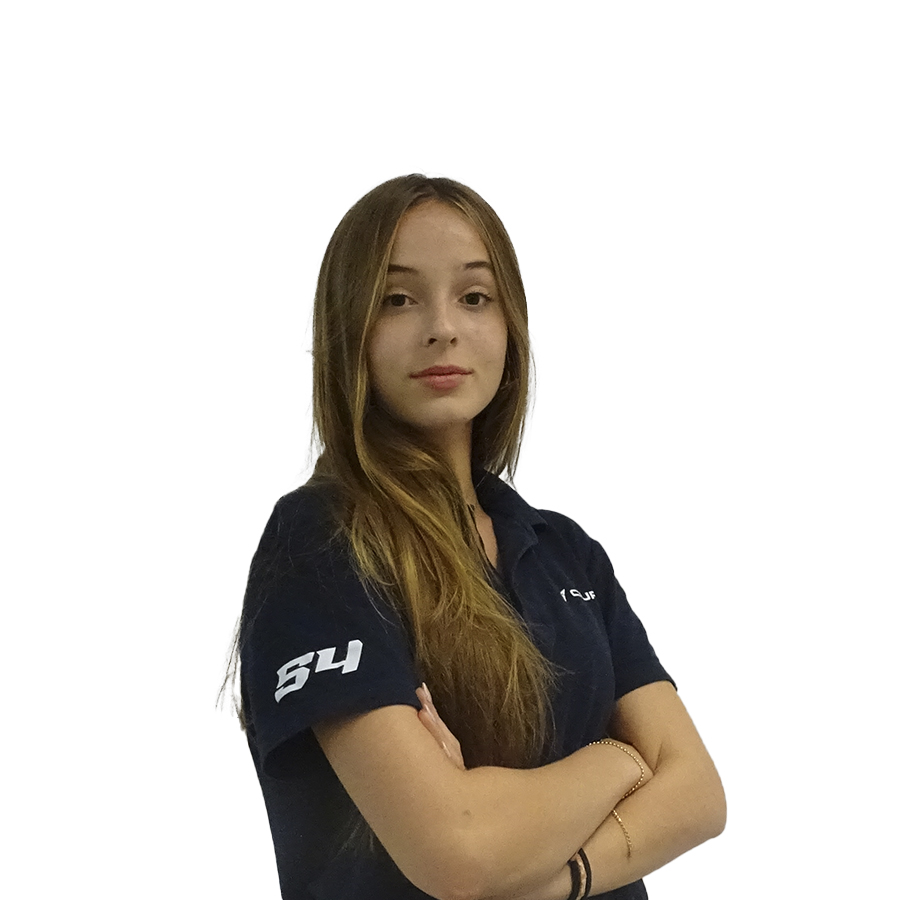
Mar Soriano
PU Software
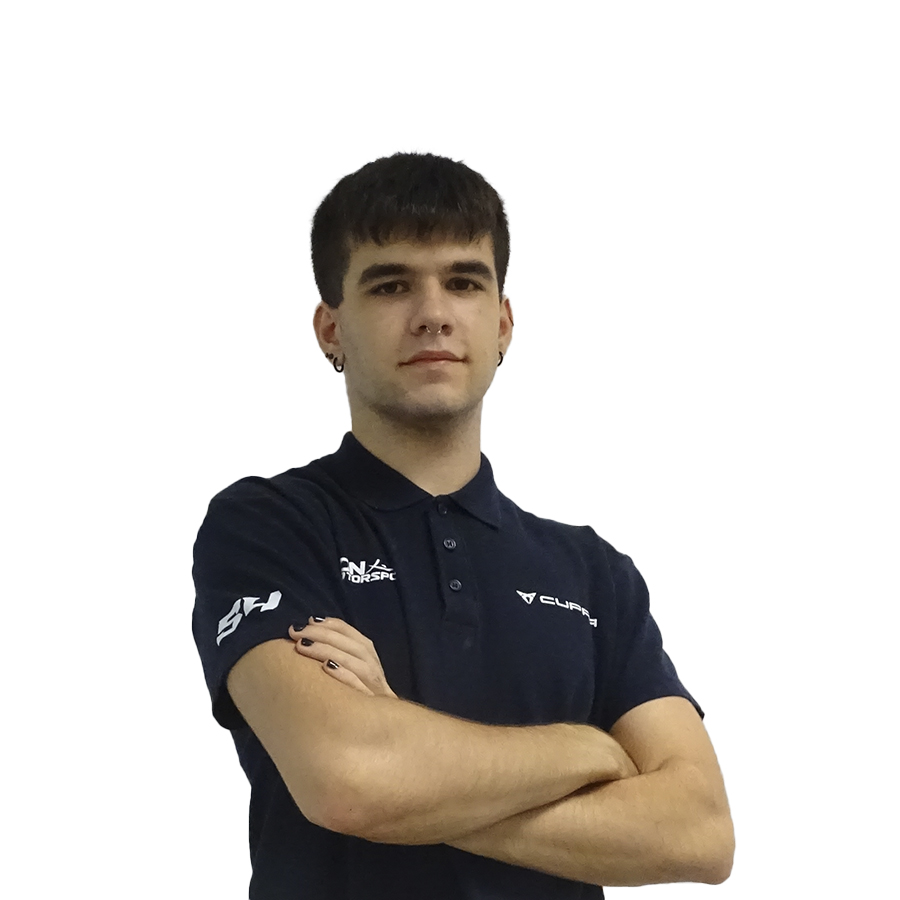
David Ordóñez
ECU Software
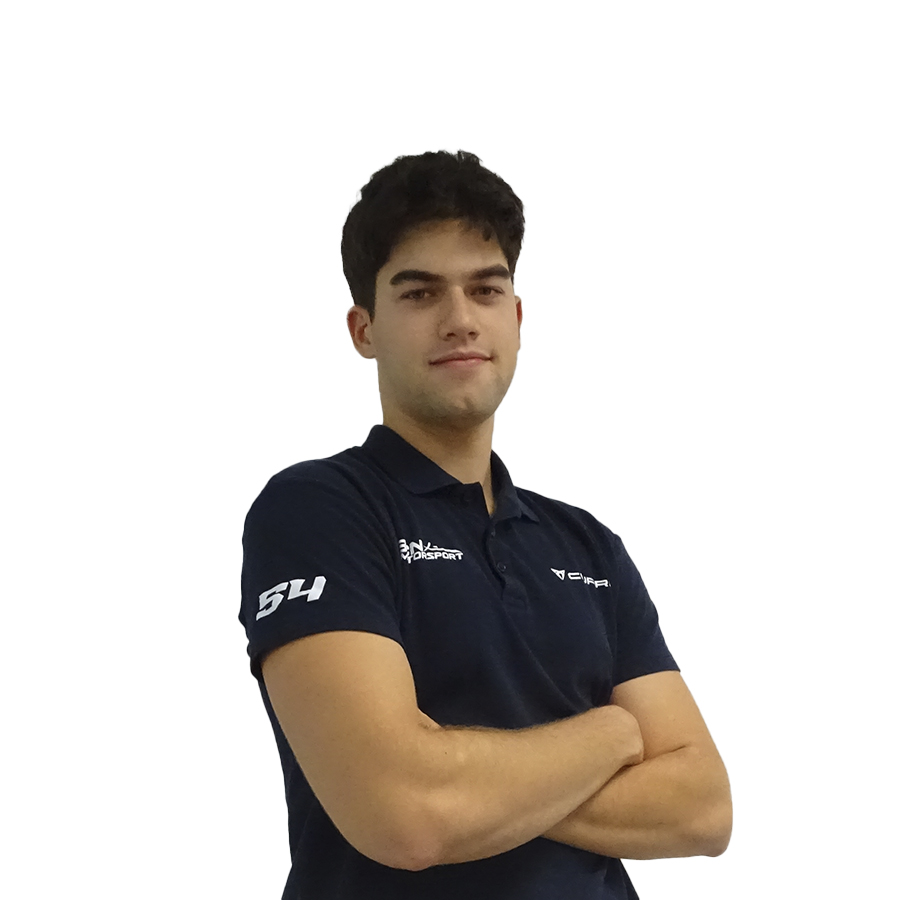
Victor Porras
Structural Design
Powertrain
In charge of the car’s heart, the High Voltage circuit: both the self-made high and low voltage batteries which deliver power to the inverters, transforming the DC current into triphasic AC that reaches the four outboard wheel motors. In addition, the Powertrain section is also tasked with the cooling and structural design of its components, both designing the engines’ cooling jackets and the batteries’ containers.
Last but definitely not least, the section is facing one of its toughests challenges to this date, the design and validation of its in-house inverter, both developing the power electronics and the control algorithm in FPGA.
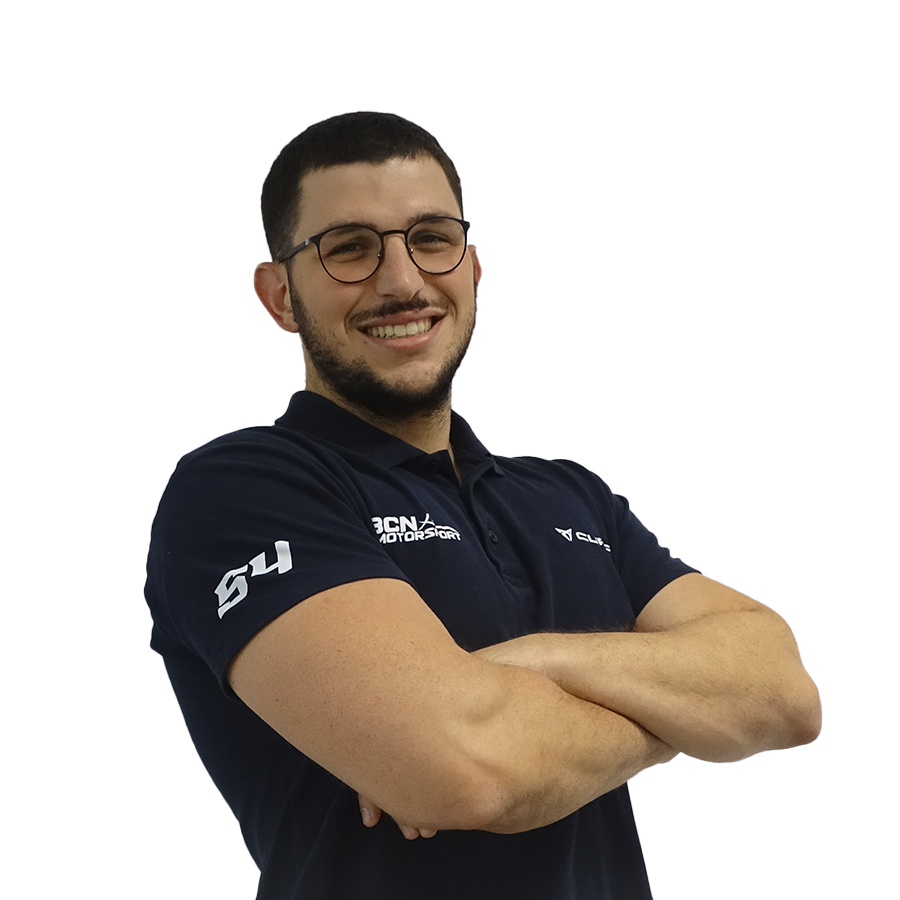
Lluc Barber
Head of Department
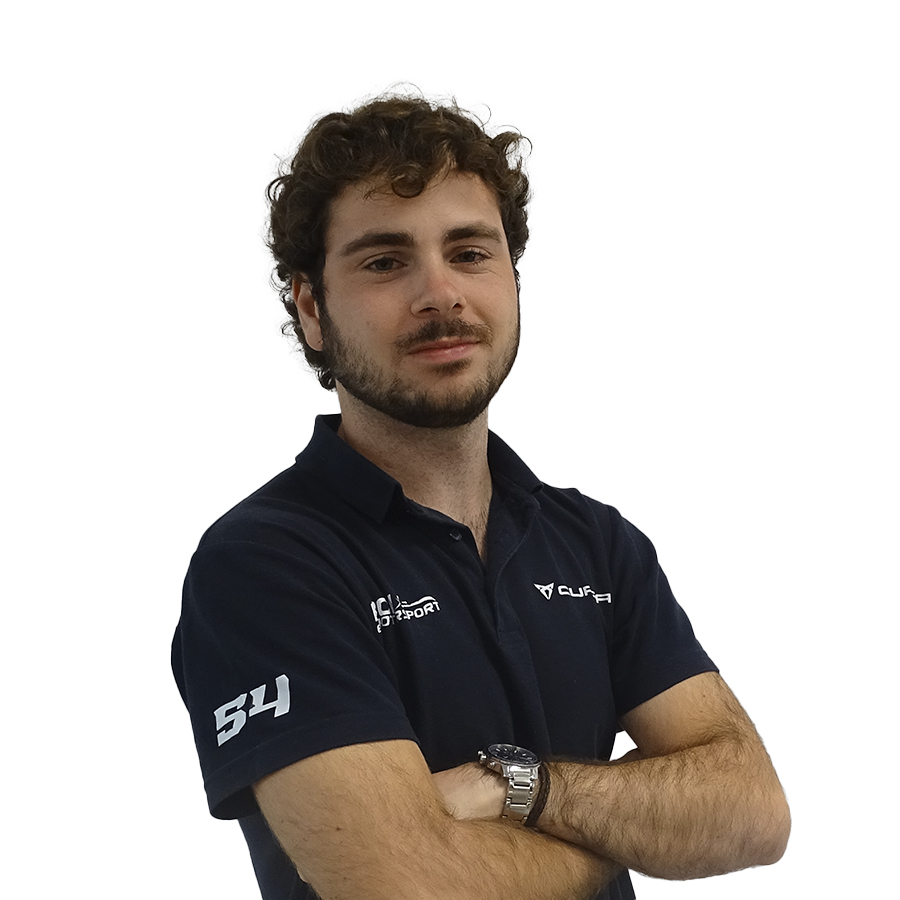
Nicolás García-Ibáñez
Motor
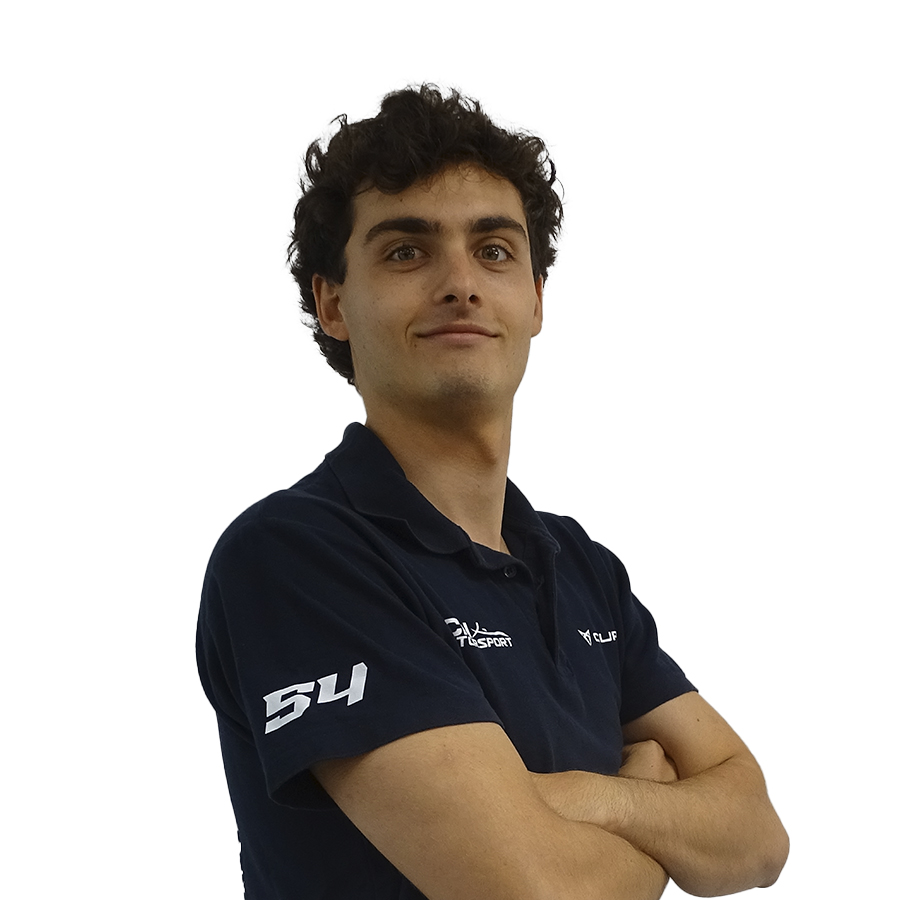
Marc Fernández
Battery
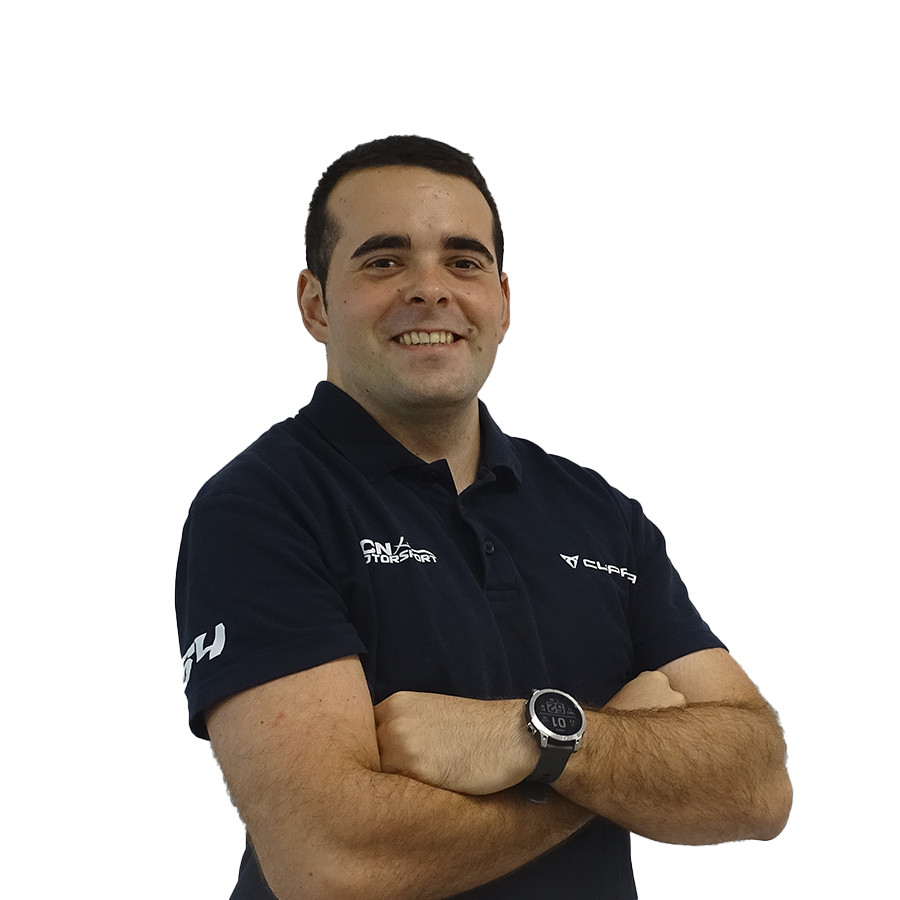
Unax Gabirondo
Structural Design
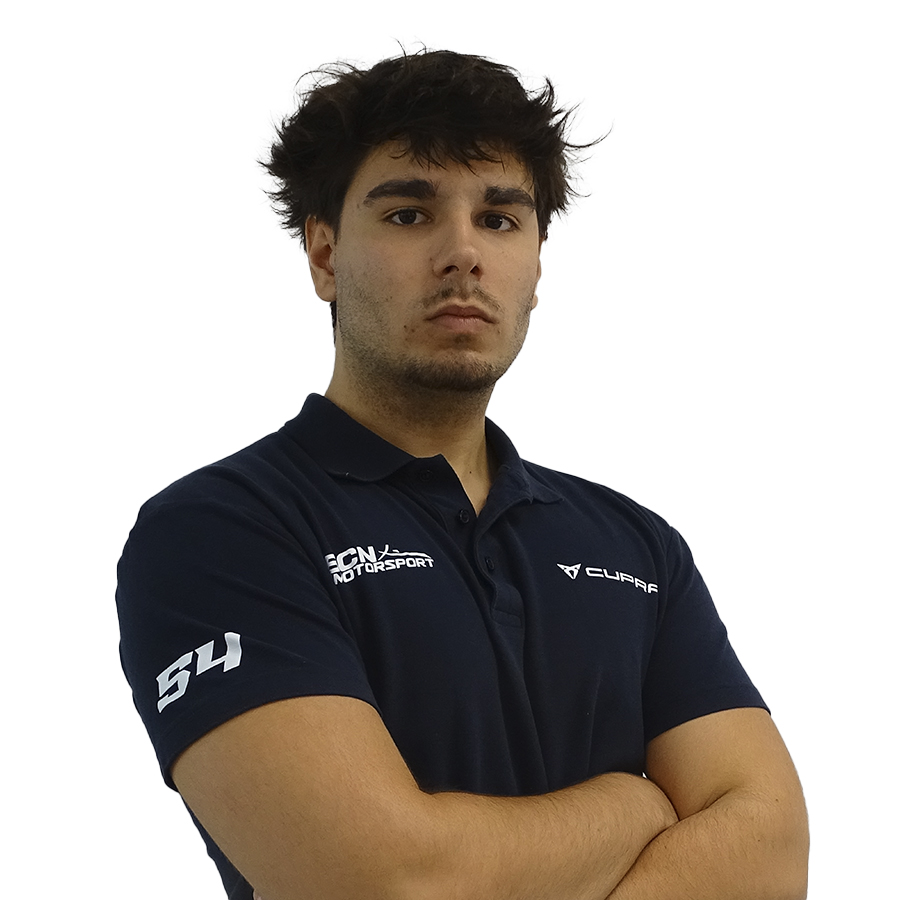
Hector Armiñana
HV Wiring
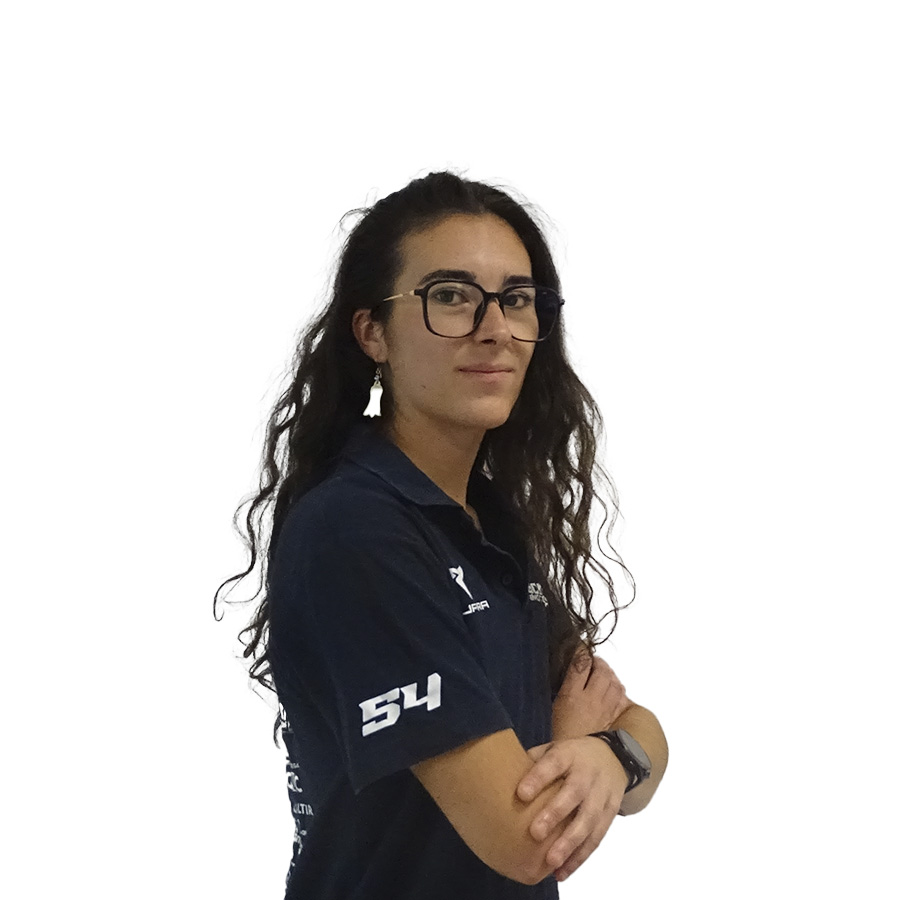
María Ulazia
Inverter
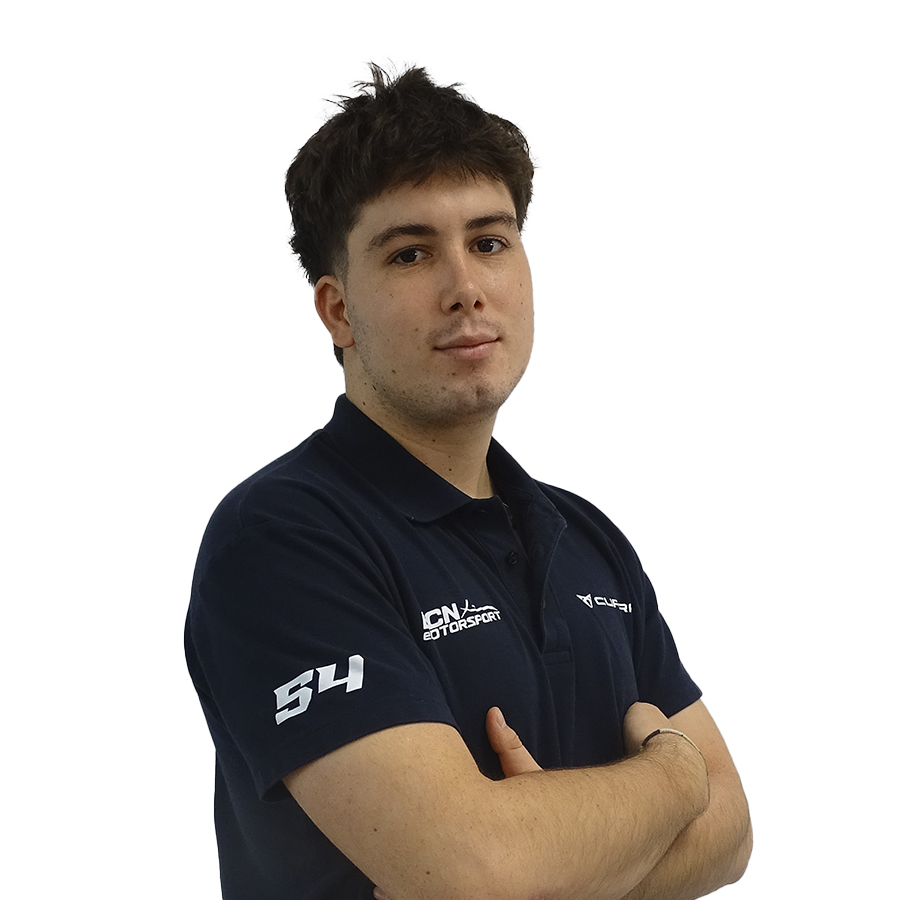
Oriol Pons
Cooling
Vehicle Controls
Vehicle control focuses on achieving the highest level of performance when the car hits the track. Using all the data from the sensors and data analysis tools, it finds the optimal setup of the car to minimize lap times. It does all of this through control algorithms, independently managing the torque applied to each wheel to maximize the car’s dynamic performance, as well as working hand-in-hand with the driver and monitoring the car’s condition in real time.
Additionally, it is the department responsible for the simulation and design of the vehicle model in virtual systems such as Simulink and IPG, where an exact virtual replica of the car is created and lap times are simulated with different setups to help the testing team with the car’s setup and fine-tuning.
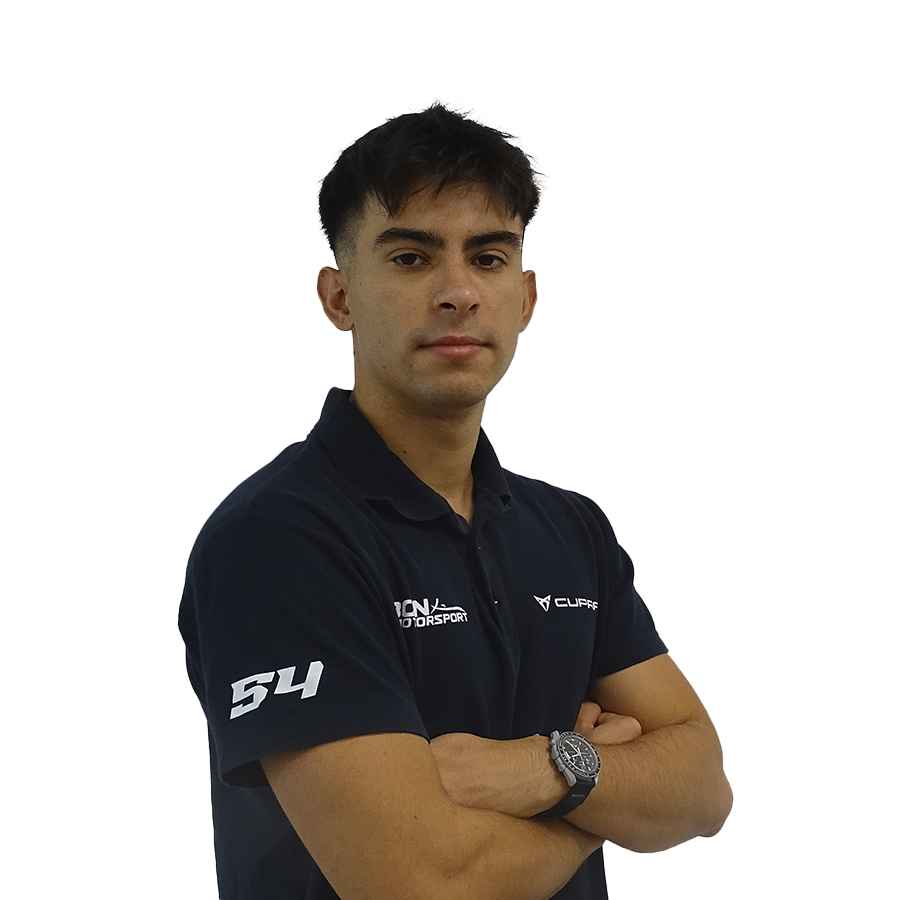
Agustín Prato
Head of Department
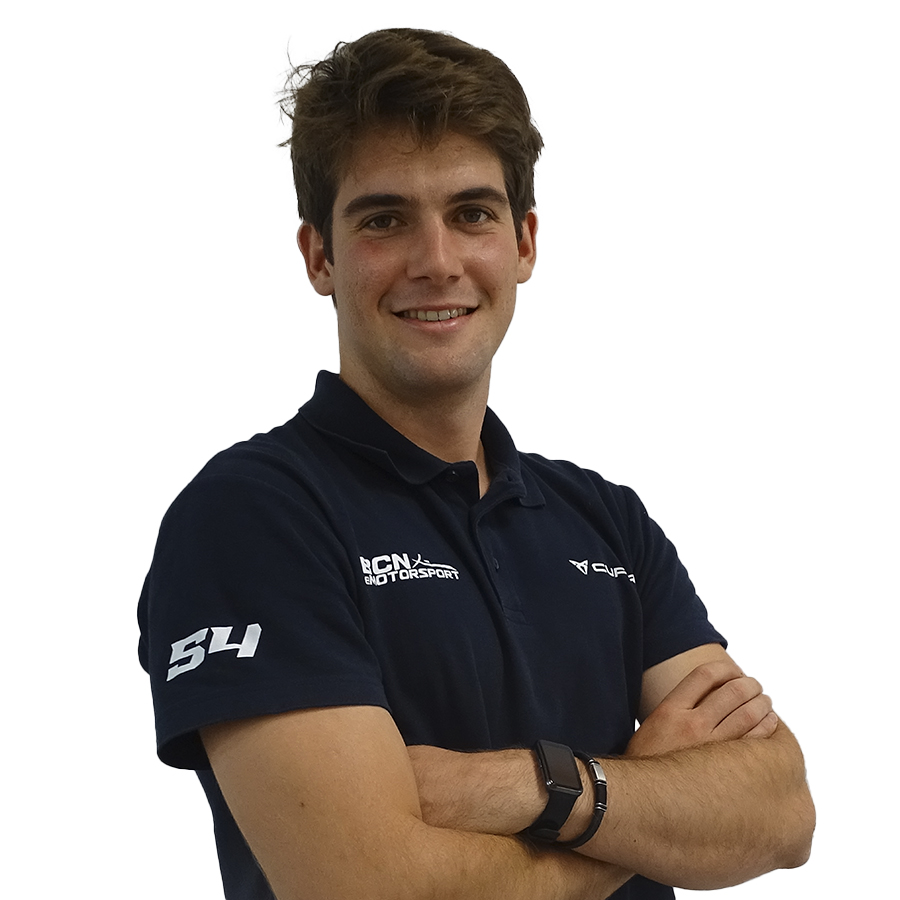
Arnau Martínez
Power Electronics
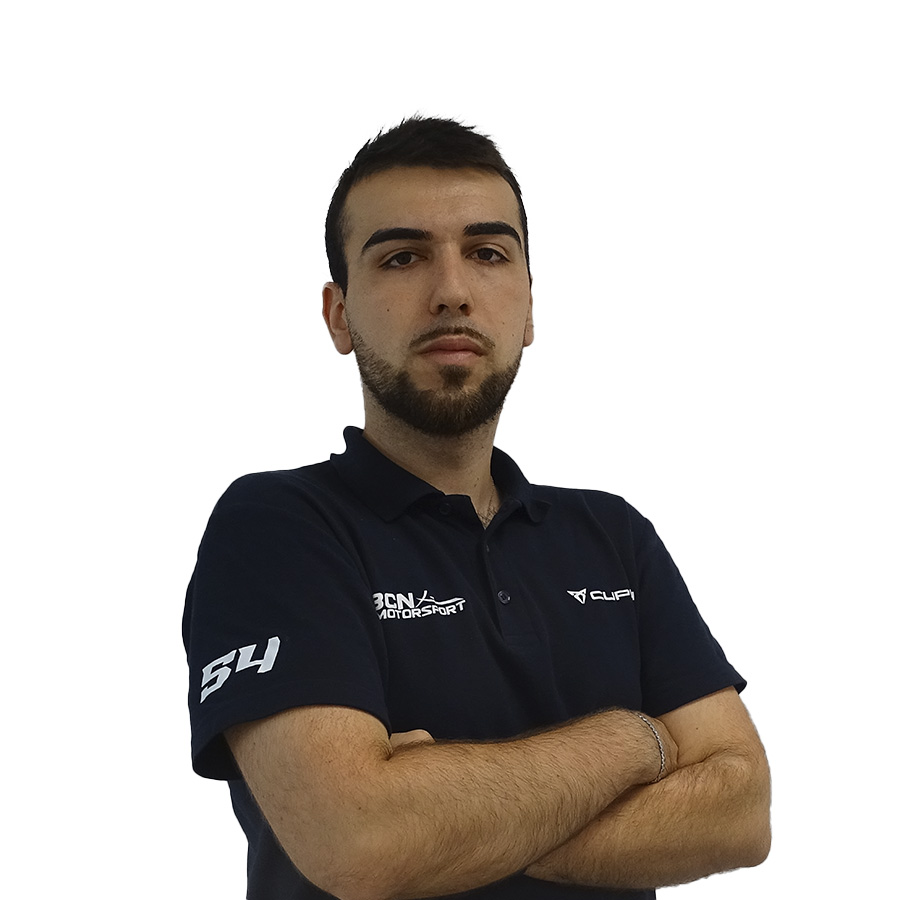
Aitor Iglesias
Vehicle Model
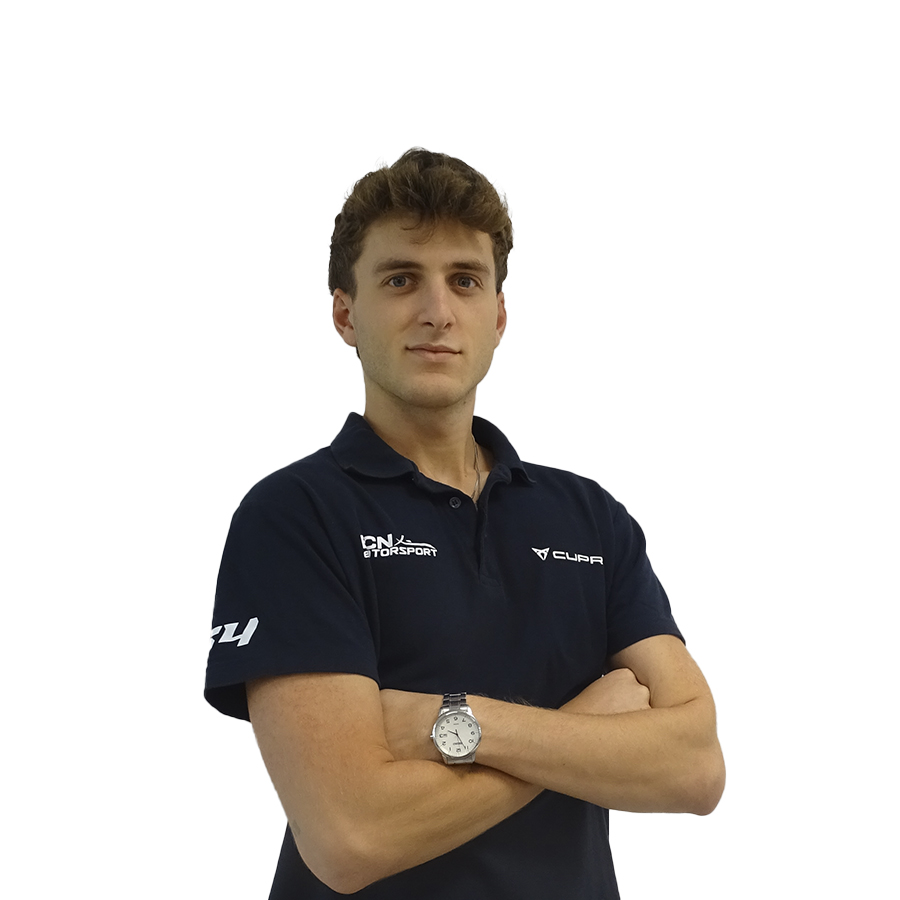
Pol Bigas
Vehicle Model
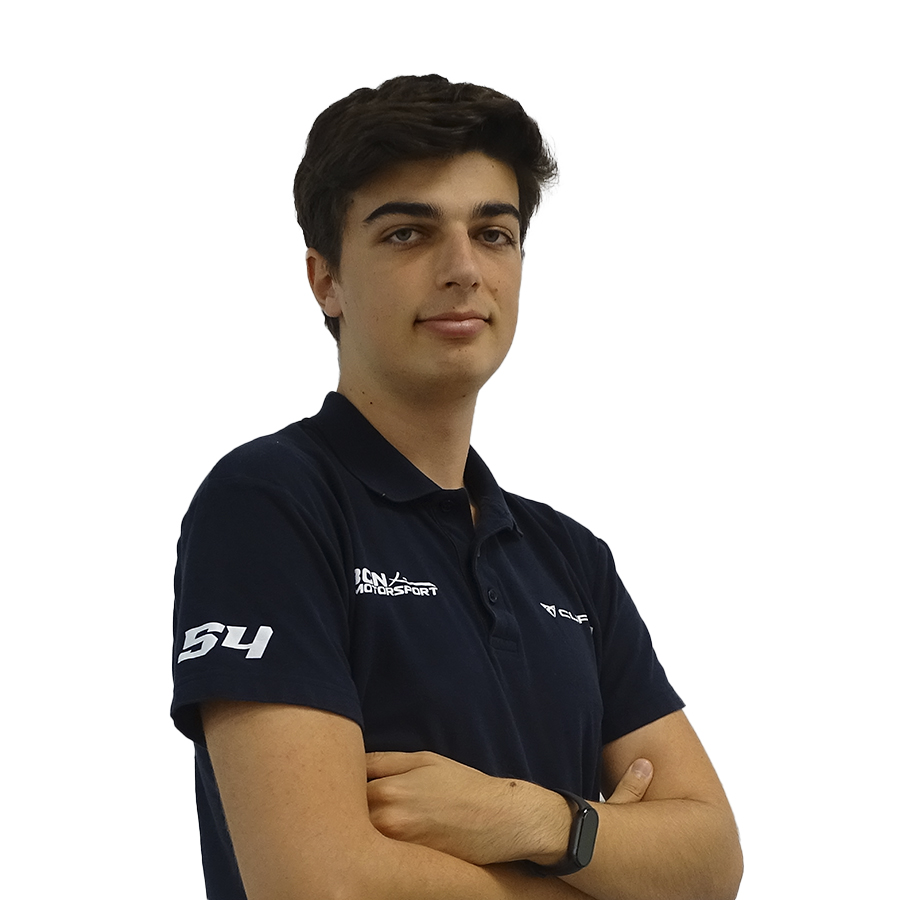
Xavier Llorens
Low Level Control
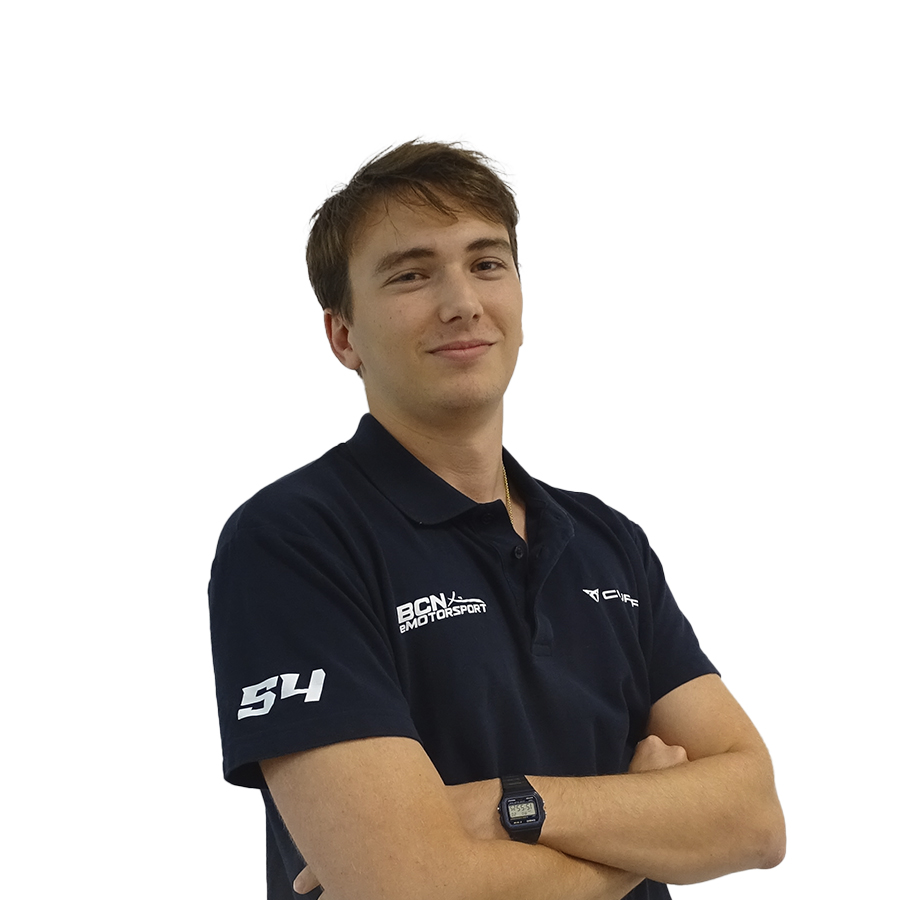
Ignacio Llopis
Low Level Control
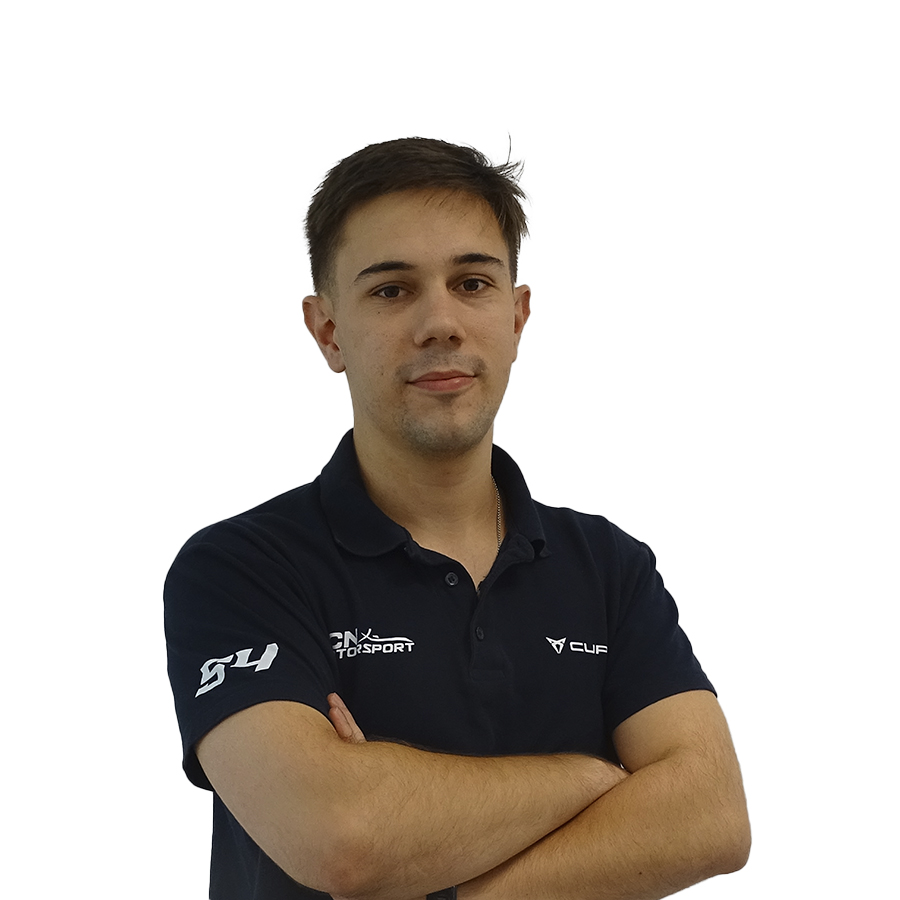
Luis Sainz
Vehicle Model
Autonomous Systems
The Autonomous Systems department oversees the full autonomous pipeline, integrating last season’s advances in faster and more accurate localization, improved cone detection, and optimized multi-stage planning supported by a new MPC for greater speed and stability.
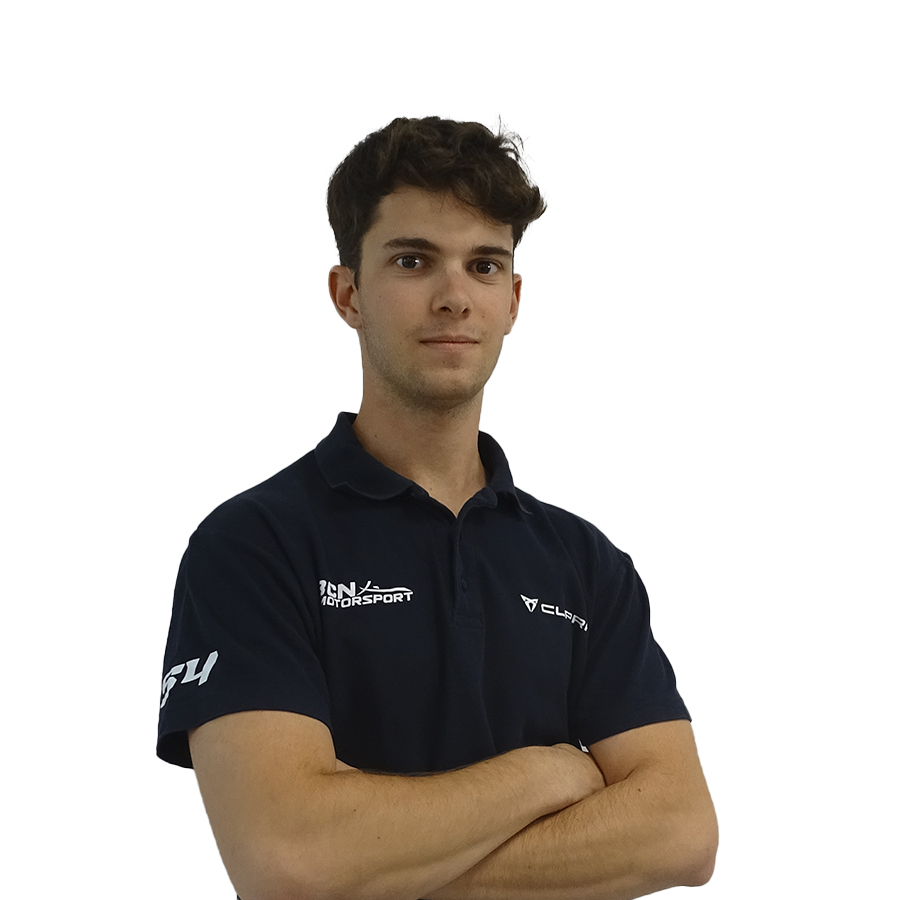
Aleix Vallhonrat
Head of Department
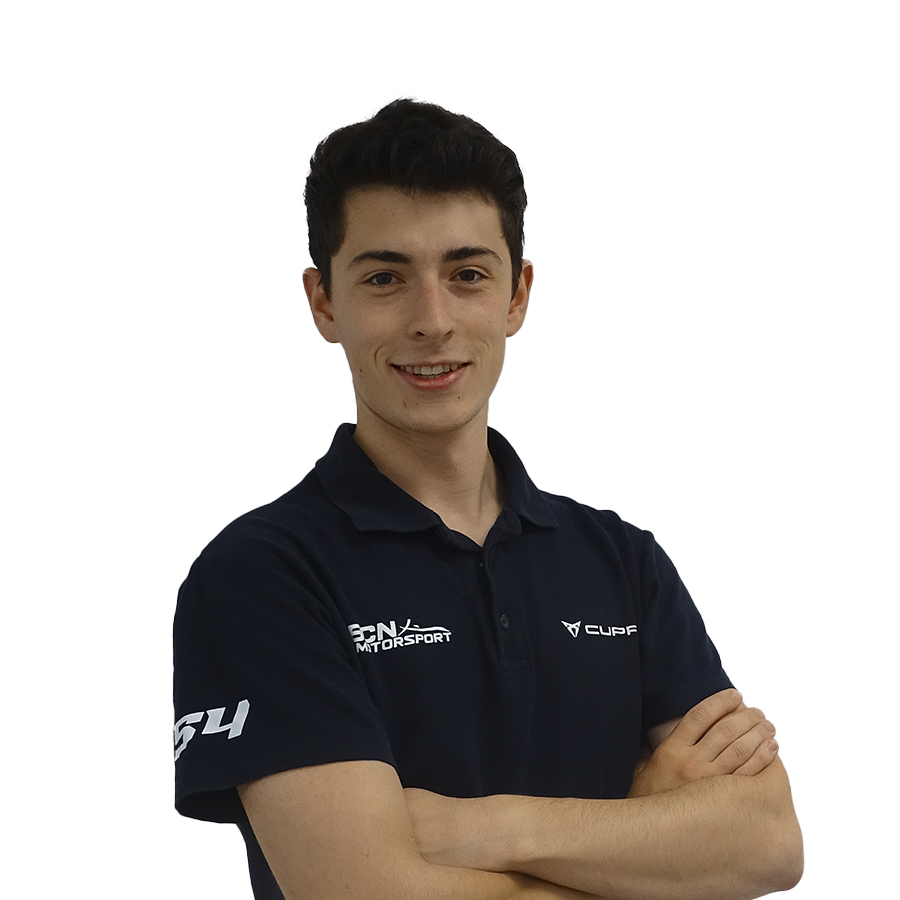
Andreu Aliu
Autonomous Control
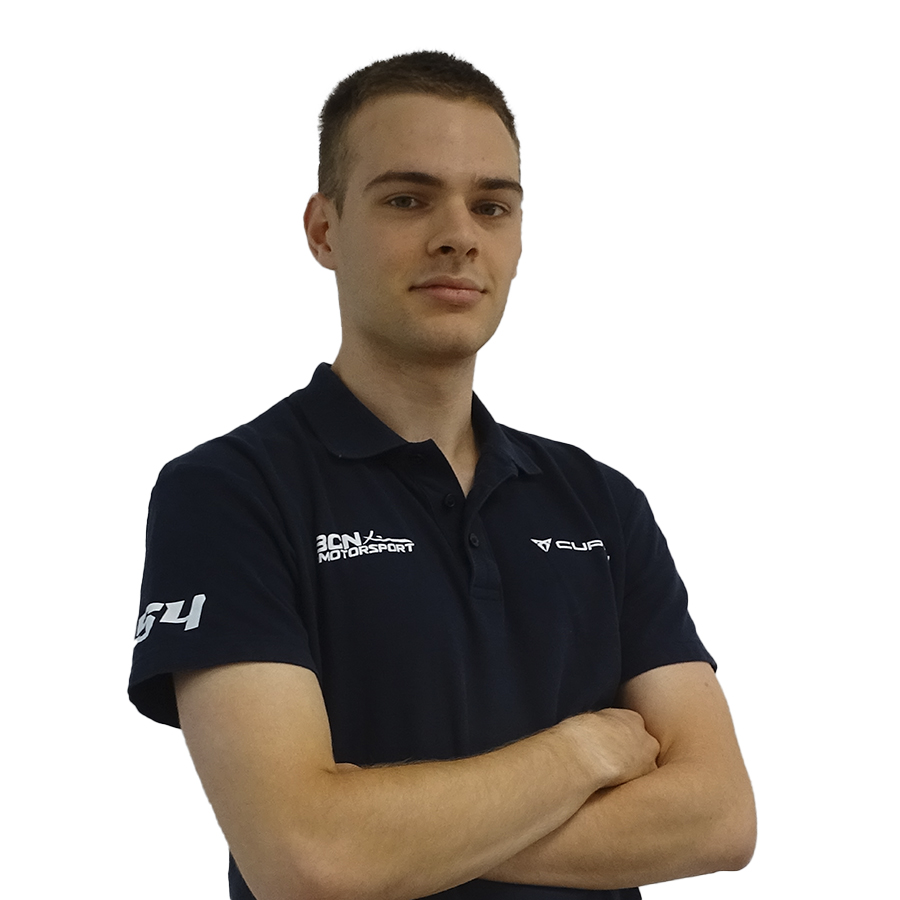
Martí Climent
Software Engineer
Oriol Soldevila
Perceprion Engineer
Anna Rovirosa
Autonomous Control